Butt Fusion Welder Wonders Making Pipe Work Easy

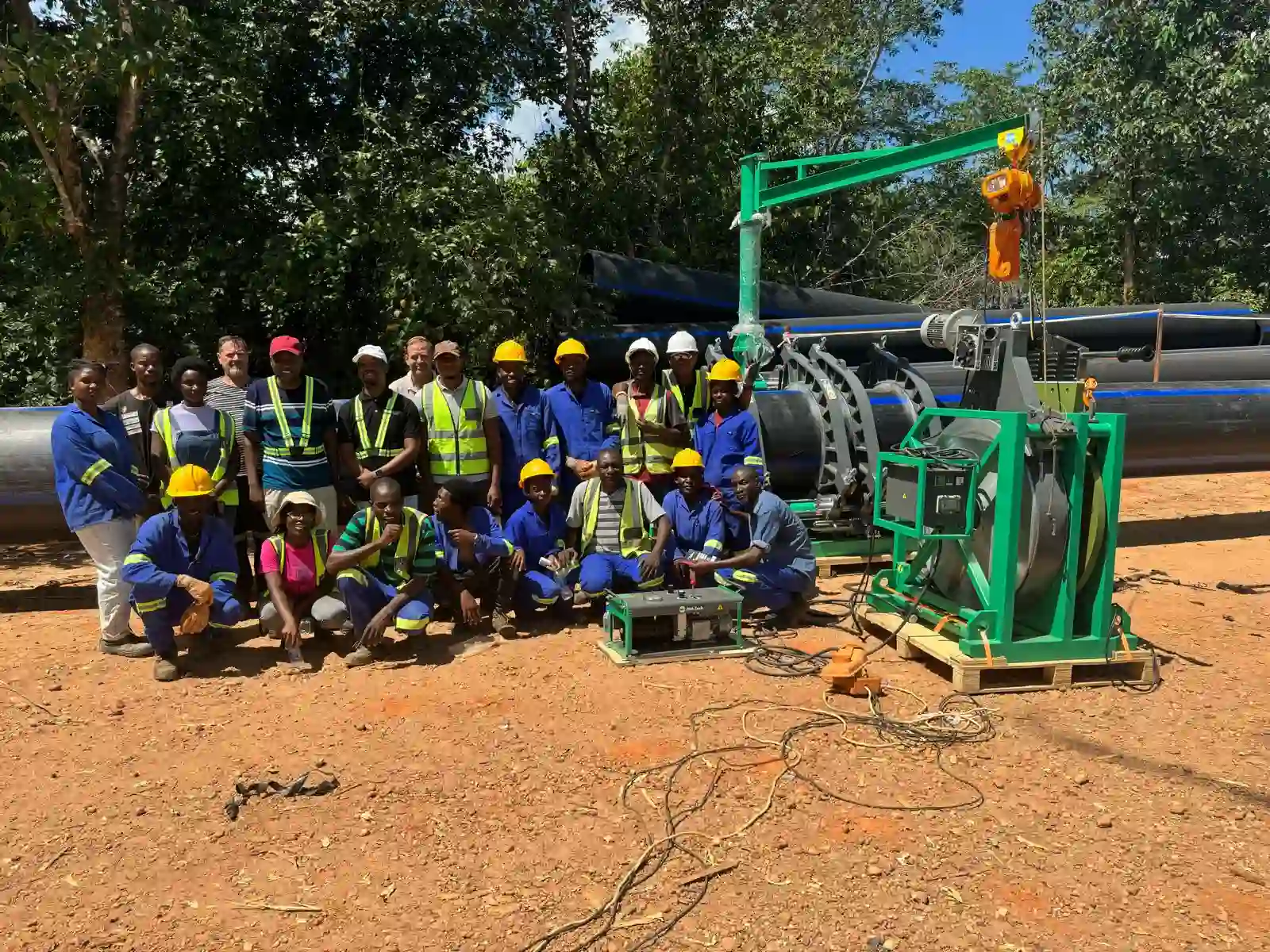
You use a butt fusion welder to join plastic pipes like polyethylene. This tool heats the pipe ends until they soften, then presses them together for a strong bond. The market for these welders continues to grow:
Valued at $1.04 billion in 2025
Projected to reach $1.73 billion by 2034
Key Takeaways
A butt fusion welder makes strong joints. These joints do not leak. It heats and joins plastic pipes together. It does not use glue or extra parts.
Taking care of the welder’s parts is important. Parts like the heating plate and alignment chassis must work well. This helps the welder do a good job. It also makes sure the welds are strong.
Always follow safety rules. Wear protective gear. Keep your work area clean. This stops accidents. It helps you weld pipes the right way.
Butt Fusion Welder Basics
What Is a Butt Fusion Welder
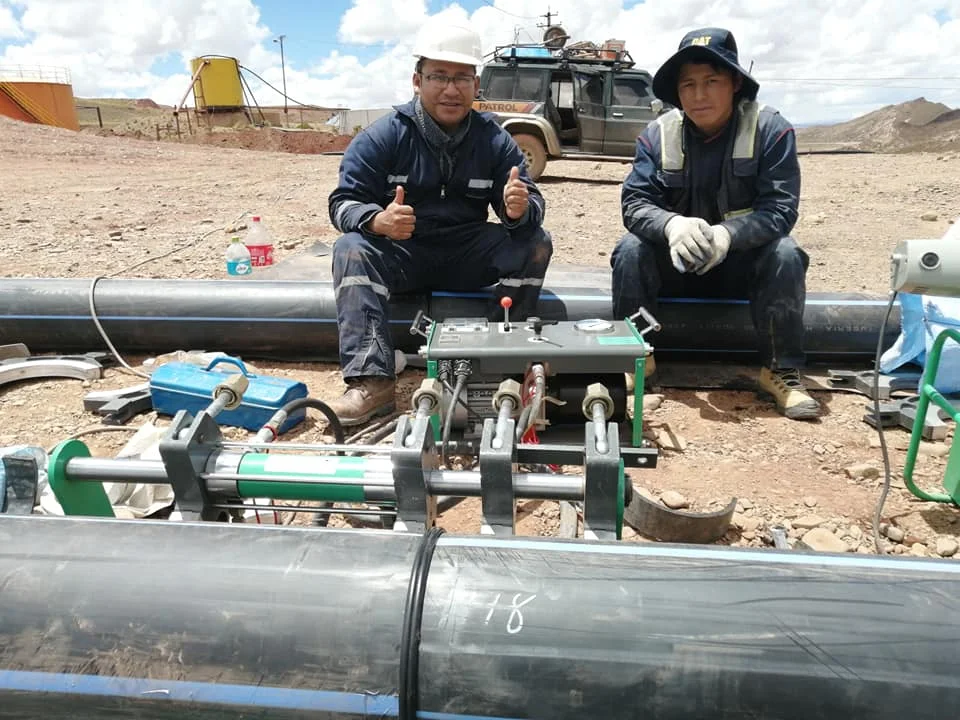
A butt fusion welder joins two thermoplastic pipes. You put the pipe ends together and heat them. The device melts the ends so they stick together. This makes a strong joint along the pipe surfaces. The connection is smooth and very strong. It can be as strong as the pipe itself. You do not need glue or extra fittings. The butt fusion welder helps you make joints that do not leak. It works for water, gas, and agricultural irrigation, chemical, oil and industrial pipes.
Tip: Always make sure your equipment meets rules like ASTM F2620, ISO 21307 or DVS2207. These rules help you get safe and steady results.
Main Components
A butt fusion welder has many important parts. Each part helps with the welding job. Here is a table that lists the main parts and what they do:
Component | Function |
|---|---|
Clamping and Alignment Chassis | Holds pipes steady and lines them up during welding. |
Facer or Trimming Tool | Makes the pipe ends flat and smooth, and removes old layers. |
Teflon-coated Heating Plate | Heats the pipe ends until they melt, then is taken away for welding. |
Hydraulic unit | Used for controlling the Chassis |
You should keep these parts clean and working well. Clean the heater plate and check for damage often. This helps your butt fusion welder work right every time.
Butt Fusion Welder Process
Step-by-Step Welding
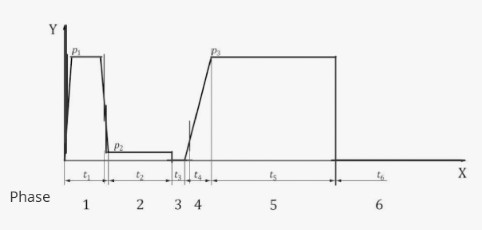
First, prepare the pipe ends by trimming and smoothing them with the facer tool. Next, clamp the pipes in the alignment chassis to hold them steady. Put the heating plate between the pipe ends. The plate heats the ends until they melt and form a smooth fusion bead then start the soaking time. Then, take away the heating plate and press the pipes together with steady pressure. The melted ends join into one solid piece. Let the pipes cool without moving them. Cooling time depends on how thick the pipe walls are.
You must wait for the full cooling time. If you release pressure too soon, the joint might get defects.
Materials and Applications
A butt fusion welder works with many plastic pipes. Common materials include:
Low density polyethylene (LDPE)
High density polyethylene (HDPE)
Polypropylene (PP)
Polyvinylidene fluoride(PVDF)
Butt fusion welding is used in many industries. Typical uses are:
Water and wastewater systems: Leak-proof joints stop water loss.
Natural gas systems: Safe and reliable for pressurized pipes.
Industrial and chemical piping: Handles tough chemicals.
Geothermal and HVAC systems: Strong joints last a long time.
Marine and offshore work: Resists corrosion and stays strong.
Standard welders join pipes from 20 mm to 1,600 mm wide. Most jobs use pipes between 63 mm and 1,000 mm.
Key Benefits
Using a butt fusion welder gives many benefits. It makes strong, smooth bonds. These joints last as long as the pipe itself. You don’t need glue or extra fittings. Butt fusion joints are known for being leak-proof and durable. The table below compares leak rates:
Joint Type | Leak Rate Characteristics |
|---|---|
Butt Fusion Welded Joints | Known for being leak-proof and durable. |
Mechanically Joined Pipes | May leak more because gaskets can wear out. |
You also get high accuracy and automation. This lowers costs and saves energy. The table below shows how butt fusion welding helps:
Feature | Benefit |
|---|---|
Precision | Creates strong, smooth bonds between pipes |
Automation | Cuts down operational costs |
Durability | Keeps pipeline systems working well |
Energy Consumption | Reduces total project energy use |
Butt fusion joints last a long time. You can trust them for water and gas systems that need good performance.
Safety Tips
Always follow safety rules when using a butt fusion welder. Wear the right personal protective equipment (PPE). The table below lists what you need:
Required PPE | Purpose |
|---|---|
Safety goggles | Protect eyes from heat and splashes |
Gloves | Protect hands from heat and melted plastic |
Heat-resistant clothing | Protect body from burns and high temperatures |
Keep your work area clean. Dirt or moisture can cause joint problems. Check the heater plate coating before each use. Make sure pipes are lined up correctly. Use automatic machines if you can to avoid mistakes. Wait for the full cooling time before removing clamps.
Weather can affect your work. Wind cools the heater plate and lowers heat transfer. Rain or moisture can dirty pipe ends. Cold weather may need pre-heating and longer heating times.
You need proper training to use a butt fusion welder. Have a current welder certificate. Take refresher classes to keep your skills sharp. Do a test weld at the start of each shift to check your setup.
Tip: Always follow the manufacturer’s instructions and local safety rules. This helps you make strong, reliable joints every time.
You can join pipes fast and safely with a butt fusion welder. It makes strong connections that do not leak. You also save money when you use it. Look at the table below to see the main benefits:
Advantage | Description |
|---|---|
High-strength | Welds are strong and reliable |
Cost savings | You need less material and labor |
Durability | Pipes stay good for a long time |
Smart tools and green designs help make pipe jobs easier for your next project.
FAQ
How long does a butt fusion weld take to cool? ⏳
You should wait 10 to 40+ minutes depending on pipe thickness. Cooling fully ensures a strong, leak-proof joint.
Can I use a butt fusion welder on PVC pipes?
No. Butt fusion works best with polyethylene (PE), polypropylene (PP), and similar thermoplastics, not rigid PVC.
What safety gear should I wear when welding?
Always wear safety goggles, heat-resistant gloves, and protective clothing to guard against burns and hot plastic.
See Also
Understanding Plastic Sheet Butt Fusion Welders And Their Function
Effective Techniques for Welding HDPE Sewage Pipes in 2025
Selecting The Ideal Plastic Pipe Welder For Your 2025 Requirements
Best Three HDPE Pipe Fusion Welding Machines For 2024
Essential Tools Required For Welding Plastic Sheets Successfully
CALL US DIRECTLY
NO.355, Youyi South Street, Qiaoxi District, Shijiazhuang, Hebei, China.
www.hdpeweldingmachine.com david@peweldingmachine.com