Fitting fabrication machine explained in simple steps

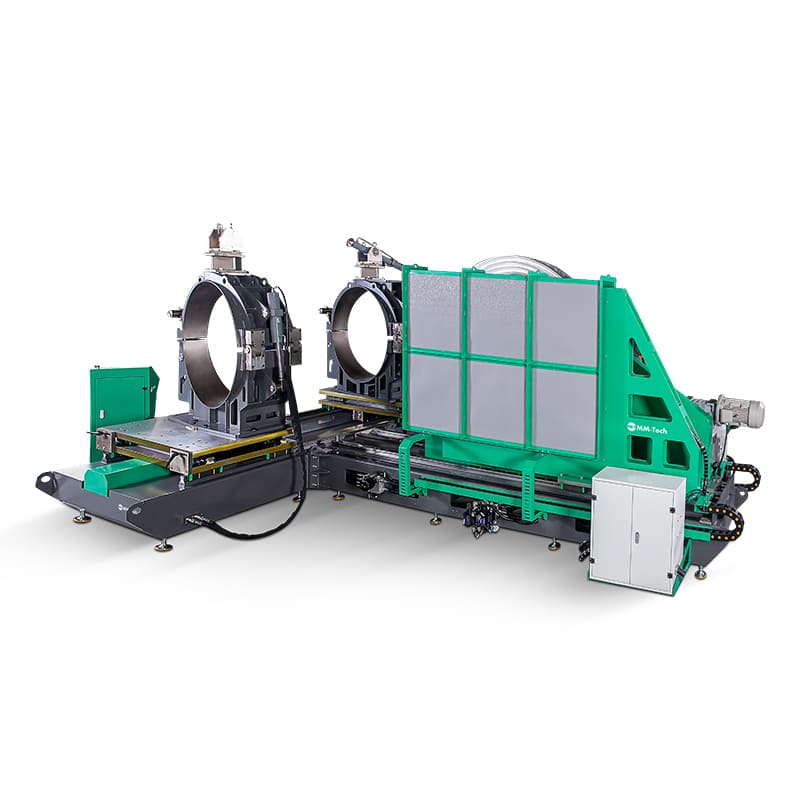
A fitting fabrication machine lets you make special pipe fittings from straight pipes. This machine helps you change the shape to make elbows and tees. You can get exact results each time. Here is how CNC machines and manual methods are different:
Aspect | Manual Methods | |
|---|---|---|
Precision | Very good repeatability | Accuracy changes |
Efficiency | Works fast | Slower, needs more setup |
Key Takeaways
A fitting fabrication machine helps you make special pipe fittings from straight pipes. This saves both time and money.
The machine uses automation to make things more accurate. It also lowers mistakes made by people. This means every fitting is made with the same good quality.
You can change fittings for different projects. This makes it simple to meet special needs. You do not have to buy costly parts that are already made.
What is a fitting fabrication machine?
Purpose and customization
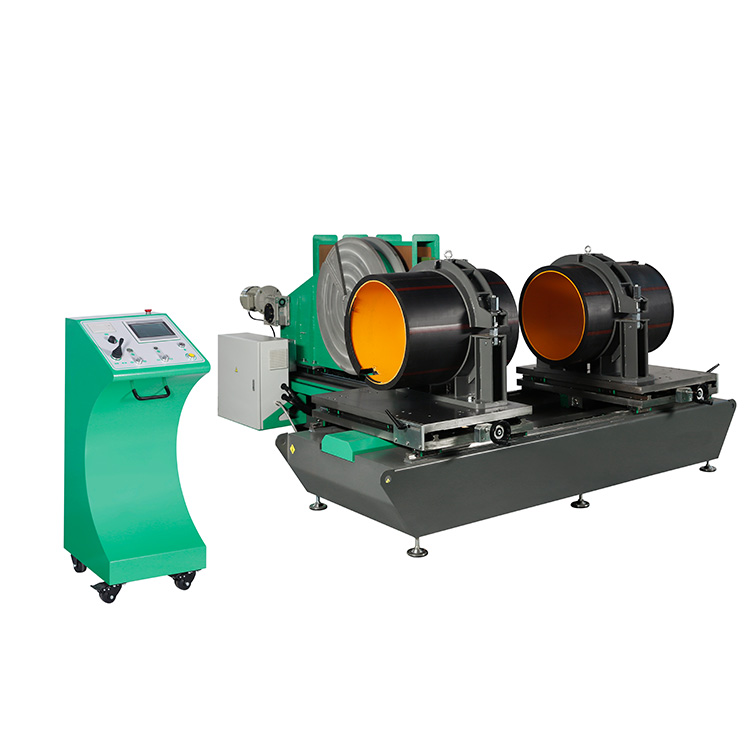
A fitting fabrication machine helps you make special pipe fittings. You start with straight pipes. The machine lets you make elbows, tees, crosses, and wyes. You can change the shape and size for your project. The main job of the machine is joining pipe pieces with strong welds. The machine uses exact controls, so you get the same results every time.
The SWT-MA630CNC HDPE fitting fabrication machine is a top example. You can use it for pipes made from HDPE, PP, and PVDF. It works well for water, gas, and industrial systems. You can make elbows, tees, crosses, and wyes with different angles. The machine helps you meet special needs for each job.
Customization matters in many projects. Sometimes you need fittings with special shapes or sizes. The machine lets you make large headers, multi-port tees, and special elbows.
Tip: Customization saves money and time. You do not have to buy expensive fittings. You can make what you need in your own shop.
You can use the machine for many jobs: - Measure and cut pipes with special tools - Thread pipes for tight connections - Put in and secure fittings with care - Weld and braze for strong joints
Types of fittings made
You can make many kinds of fittings with a fitting fabrication machine. The machine helps you meet different needs for each project. You can use steel, brass, aluminum, polymer-based materials, copper, plastics, and composites. These materials are strong, last long, and resist chemicals.
The SWT-MA630 HDPE fitting fabrication machine lets you weld elbows, tees, crosses, and wyes. You can make bends, 45° and 60° branch tees, and other shapes. The machine works best for butt fusion welding in HDPE water and gas pipes.
Here is a table that shows common fittings you can make:
Pipe Fitting Name | Main Function | Typical Use |
|---|---|---|
Elbow | Change direction | 45° or 90° turns in pipelines |
Tee | Create branch outlet | Split main flow into branch line |
Reducer | Change pipe size | Connect large pipe to smaller pipe |
Coupling | Join straight pipes | Repair or extend pipe runs |
Flange | Bolted connection | Pipe-to-pipe or pipe-to-equipment |
Cap | Close pipe end | Temporary or permanent end sealing |
The machine helps you make fittings for many uses. You can build water lines, gas systems, mining pipes, and industrial equipment. The machine gives you many choices and works well.
Note: You can use the fitting fabrication machine for both regular and custom fittings. You can meet special needs for each project. You can use HDPE, PP, PVDF, and other materials.
You get strong, reliable fittings with the machine. The machine helps you save money and time. You can make fittings in your own shop and avoid waiting.
Fitting fabrication process and welding steps
When you use a fitting fabrication machine, you follow a clear process to make strong, custom pipe fittings. The SWT-MA630 HDPE fitting fabrication machine helps you with each step. You get precise results, high quality, and reliable welding. Let’s look at each step in the process.
Preparation and segment cutting
You start by preparing your steel pipes or other materials. You measure and mark the pipes for the fitting you want to make. You use a pipe band saw to cut the segments at the right angles. For example, if you need a 90° elbow, you cut two pipe pieces at 45°. This step is important because the right cut gives you a perfect fit later. Good preparation saves time and cost in the customization process.
Clamping and alignment
Next, you load the cut pipe segments into the machine. The SWT-MA630 uses strong clamps to hold each piece in place. You must secure the pipe tightly so it does not move during welding. The machine lets you adjust the alignment with special tools. You check the alignment often to make sure the ends match up. If you see any shift, you fix it right away. This step helps you avoid weld defects and keeps the quality high.
Here is a simple list to help you remember the clamping and alignment steps:
Secure the pipe in the clamps to stop movement.
Adjust the alignment using the machine’s tools.
Watch the alignment during welding and correct any changes.
Clamps make alignment easy and accurate. You get better welds and fewer mistakes. The user-friendly design of the equipment helps you learn quickly and work safely.
Milling and heating
After you clamp and align the pipes, you use the milling cutter. The machine moves the cutter between the pipe ends. The cutter shaves off a thin layer from each end. This makes the surfaces flat, smooth, and ready for welding. You remove any dirt or oxidation. The machine controls the milling speed and depth for you.
Once the ends are milled, you use the heating plate. The machine moves the Teflon-coated plate between the pipe ends. The plate heats both ends at the same time. You press the pipes against the plate until you see a small bead of melted material. The machine keeps the temperature and time just right. This step is key for strong welding.
Fusion and cooling
Now you move to the most important part: fusion and cooling. The machine quickly removes the heating plate. You press the hot pipe ends together using the hydraulic system. The melted material fuses and forms a strong bond. The machine applies the right pressure and holds the pipes in place.
You must let the joint cool while it stays in the machine. Do not remove it too soon. Cooling under pressure makes the weld strong and safe. The machine logs all the welding data, such as pressure, time, and temperature. This helps you with testing and quality checks later.
The SWT-MA630 fitting fabrication machine uses automated fitting and welding. It records every step. You can upload the data for remote checks. This makes your work easy to track and improves quality. The machine’s automation and data logging help you meet all requirements for safety and testing.
With this process, you get strong, custom fittings. The machine supports many materials, so you have great material compatibility. You can use HDPE, PP, and PVDF. The equipment works well for manufacturing, customization, and automated fitting and welding.
Key features and benefits of customization
Advanced control and automation
The SWT-MA630 HDPE fitting fabrication machine gives you advanced control. It uses smart sensors to watch every step. Machine intelligence helps the machine make good choices. Digital communication lets you see welding data right away. You can change settings as you work. Automated fitting and welding help stop mistakes. This makes your work more accurate each time. The CNC system does hard math and keeps things steady. Smart automation can change when things are different. It learns from data and gets better. You get tighter fits and fewer mistakes. Automated checks help you find problems early. You can fix them fast. The machine makes work faster and saves time.
You get better accuracy in pipe fitting work.
High automation gives you more control over welding.
The process is faster and saves time.
Evidence Description | Impact on Human Error | Impact on Repeatability |
|---|---|---|
Automated processes reduce variation | Less human error | More repeatable results |
Robotic welding cells use seam tracking | Fixes fit-up changes | Keeps welds the same |
Advanced machine controls | Fewer manual mistakes | Makes control exact |
FAQ
How do you choose the right material for fittings?
You should pick steel for strong, long-lasting fittings. Steel works well in water, gas, and industrial systems. Ask for detailed consultation if you need help.
Can you use the machine for different fitting shapes?
Yes. You can make elbows, tees, crosses, and wyes. The machine shapes steel pipes for many projects. You get custom results every time.
What makes steel fittings better for large projects?
Steel gives you strong joints. You can trust steel to last a long time. It handles high pressure and tough jobs in many industries.
CALL US DIRECTLY
NO.355, Youyi South Street, Qiaoxi District, Shijiazhuang, Hebei, China.
www.hdpeweldingmachine.com david@peweldingmachine.com