MM-TECH | Empowering China's PCB Electroplating Sector with VCP Tank Fusion Welding

MM-TECH helps factories in China make circuit boards much faster and safer. Their special Sheet butt fusion welding machine replaces dangerous hand-welding with smart automated plastic fusion technology. Big Vertical Continuous Plating lines hold harsh chemicals every single day. Weak welded seams can break tanks, ruin expensive factory equipment, and stop work. MM-TECH makes sure these heavy industrial tanks stay strong and never leak. Accurate automation creates tight welded joints that easily handle harsh plating chemicals. Engineers build strong joints by keeping the heat steady during every welding cycle. Factory owners eliminate acid leak risks right away and save money across modern production lines.
Key Takeaways
Automatic plastic welding replaces dangerous hand welding to make strong, leak-proof tanks for making circuit boards.
Strict DVS 2207 rules automatically control heat and pressure to stop human mistakes when building heavy tanks.
Strong plastics such as PP and PVDF shield factory tanks from tough acid damage and high heat.
Automatic plastic welding machines lower labor costs, protect equipment from damage, and boost daily factory output.
Challenges in PCB Electroplating
Risks of Manual Plastic Welding
Factory workers often use hand tools with hot air to join thick plastic plates when building industrial tanks. However, human workers easily make mistakes during long, tiring work shifts. Changes in hand speed, tool pressure, and heating temperatures create uneven seams along the plastic joints. These weak joints struggle to hold heavy liquid loads during daily electroplating work in modern factories.
Manual plastic welding also creates dangerous stress points inside the plastic seams. Traditional hand welding methods leave small air pockets and uneven weld lines along the plate connections. Acidic liquids slowly push through these tiny gaps inside the weak joint over time. A small liquid leak can quickly turn into a major spill inside a busy factory line. This sudden breakdown damages nearby machinery, puts workers in danger, and stops factory work completely.
Ensuring Long-Term Tank Durability
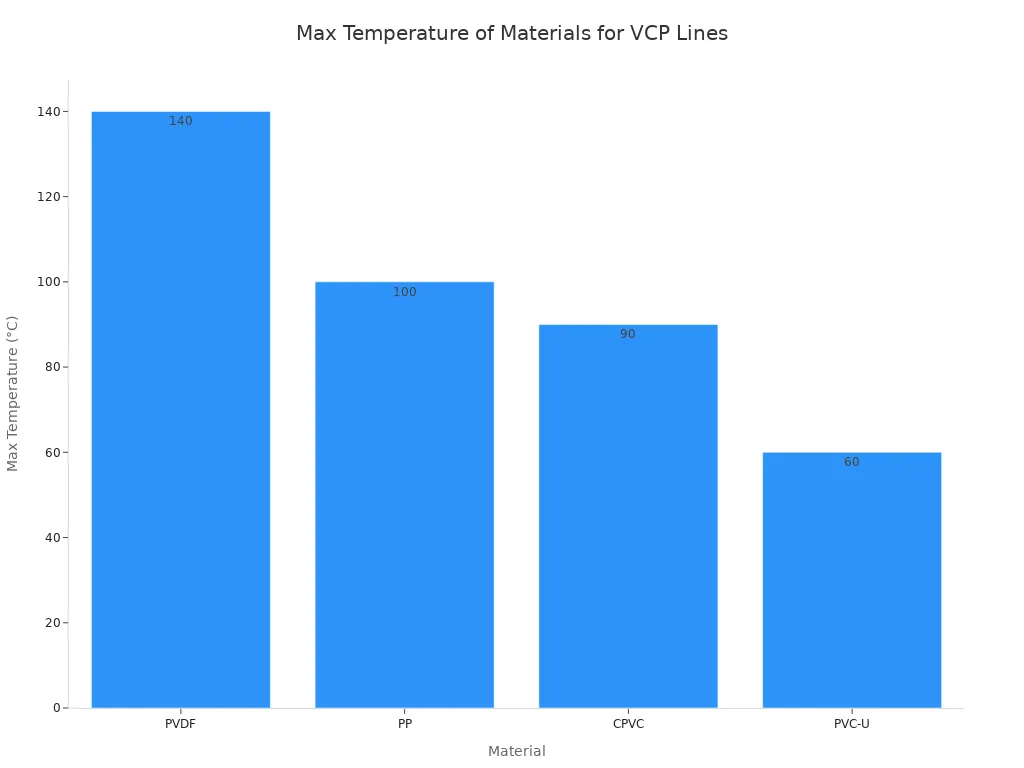
Circuit board factories face tough demands for strong equipment when using harsh chemical liquids. Heavy industrial tanks must withstand strong acids, tough alkalis, and hot liquid baths all the time. Choosing the right material plays a big role in making equipment last a long time. Polypropylene offers great chemical resistance up to 90°C, while PVDF handles extreme chemical spaces up to 140°C. Builders choose these special high-performance polymers to protect their important factory machines.
Engineers need exact, reliable joining methods to build safe tanks for non-stop industrial work. Automated plastic fusion machines join sheet edges smoothly across the entire seam without leaving weak spots or empty spaces. Controlled heating cycles stop burning chemical liquids from causing an acid leak through the main joint. High-quality seam welding provides great strength, which protects factory buildings, stops expensive repair delays, and keeps production lines running safely.
Sheet Butt Fusion Welding Machine Integration
Advanced Electroplating Tank Construction
Builders follow five basic steps to construct top-quality tanks. First, they select Röchling Polystone® PP because it stops strong acids from damaging the material. Second, the sheet butt fusion welding machine relies on smart controls to maintain stable temperatures. Third, workers use hydraulic vacuum suction tools to hold plastic sheets at exact right angles. Fourth, automatic height systems adjust for 15mm + 2mm gaps without manual effort. Finally, teams use standard DVS 2207 methods to build the strongest joints for heavy industrial use.
Making electroplating tanks demands total accuracy throughout the entire building process. Reliable machinery prevents harmful liquid leaks that ruin nearby factory tools. Companies construct tough industrial units that resist chemicals through years of constant work. Modern sheet fusion machine equipment applies correct pressure as parts heat up and cool down. This careful control creates smooth fusion seams across the whole tank system.
DVS 2207 Compliance and Automation
Following official DVS 2207 rules helps workers join flat plastic sheets smoothly and quickly. The automated sheet butt fusion welding machine controls crucial heating and pressing steps by itself. This automatic process removes human mistake risks from factory floors completely. The system lines up thick plastic plates neatly along every edge. Therefore, clean seams stop alignment problems before the plastic cools down, which keeps the frame steady.
Modern plastic welding methods warm surfaces evenly across the main connection point. This heating action creates seamless joints that spread out weight evenly under heavy liquid pressure. The sturdy seam stops weak pressure spots from forming inside hard plastic walls. A reliable sheet fusion machine seals big liquid tanks tight against tough factory conditions. Facilities prevent dangerous leaks entirely, and good welding keeps daily work moving smoothly to increase output.
Case Studies in Electroplating Tank Fabrication
Live Prototyping for 30-Meter VCP Lines
David XUE and Yang Chaoge welcomed engineers from Guangzhou Great Chieftain Electronic Machinery Co., Ltd. (GCB) to MM-TECH on August 7, 2026. GCB wants to construct 50 large Vertical Continuous Plating lines for major circuit board manufacturing plants. Each massive electroplating line extends 30 meters long inside busy industrial facilities. These huge systems process circuit boards using continuous chemical bath electroplating methods every single day. Industrial chemical tanks store harsh liquid mixtures throughout demanding factory shifts. Structural breaks in these tanks destroy important work routines across production floors. A sudden chemical leak ruins nearby tools and halts factory work entirely. Therefore, keeping top quality along welded joints remains vital for plant safety.
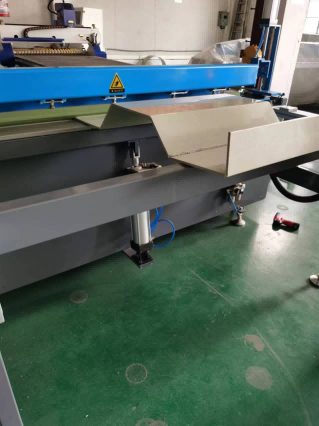
The engineering team gathered to test modern plastic joining machines for long-term production needs. MM-TECH specialists showed fully automated plastic welding technology to eliminate structural weak spots in wall joints. The industrial sheet butt fusion welding machine grips plastic plates tightly with exact force. Automatic heating parts spread steady heat across the full plastic edge. This machine removes human errors during heating and joining steps. Consequently, builders create solid plastic walls that prevent dangerous chemicals from leaking out. The automated sheet fusion machine creates tough, reliable plastic tanks for non-stop industrial operations.
Empirical Verification and Parameter Matrix
The visiting engineers tested the SWT-PH7000 machine on thick Röchling PP sheets measuring 1500 x 600 x (1117+15) mm inside the testing space. The facility kept a steady 36°C room temperature during the whole prototype test. The table below displays the exact parameter settings recorded during this live prototyping welding run:
Parameter | Value |
|---|---|
Bead Time (2mm height) | 1:00 min |
Soaking Time | 3:30 min |
Cooling Time | 10:00 min |
Heat Loss | 3mm |
This exact thermal cycle formed strong seamless joints along the main plate seam. The sheet fusion machine kept steady pressure while heating and joining the plastic boards. Controlled heating cycles shaped smooth plastic beads without burning the base material.
Workers began careful post-weld inspection tasks right after the welding cycle finished. Operators utilized the MM-TECH manual edge planer to trim rough plastic edges smoothly. They finished precise on-site right-angle tests to guarantee perfect wall alignment. Furthermore, workers visually checked burr shapes and hot zone colors with standard reference charts. Experienced inspectors checked spark states, wall thickness shifts, and outer burr shapes to confirm correct welding work.
The engineering team also made special material samples for advanced laboratory evaluations. Technicians cut small sample pieces from welded sheets for detailed microstructural inspection. They smoothed the sample surfaces using sandpaper from 60 to 600 grit, followed by fine diamond paste. Next, a warm picric acid solution showed internal grain patterns inside the plastic material. Lab workers studied fusion line width, streamline angles, and material inclusions under high-power microscopes. Finally, factory lab tests completed full tensile, burst, and load-bearing walk tests across joined plastic plates. This detailed testing proved that automated welding technology prepares GCB for mass production scaling without any risk of a dangerous liquid leak.
Strategic Manufacturing Value for China's PCB Sector
Operational ROI and High-Volume Yields
Circuit board factories in China need faster output and reliable structural safety. Custom electroplating equipment makers get better process efficiency in daily operations by using automated tank fabrication technology. The modern sheet fusion machine automates plastic sheet joining to reduce heavy labor costs on shop floors. Factory crews assemble long tank wall sections quickly instead of spending tedious hours on manual work. This high speed helps plant owners expand continuous production lines while keeping factory overhead costs low.
Automated fabrication systems deliver rapid financial returns for growing machinery suppliers. Dependable tank construction prevents costly fluid leaks that destroy delicate shop equipment. Fabrication managers scale up tank production with total confidence because every joint stays tight under heavy liquid loads. Reliable machinery stops unneeded assembly delays and boosts overall operational efficiency. Consequently, manufacturing teams deliver finished orders much faster while maintaining constant seam welding quality across every tank build.
Advancing Semiconductor Equipment Standards
Modern semiconductor manufacturing requires extremely safe chemical handling equipment. Industrial plating tanks store strong chemical solutions for high-density circuit board processing every single day. Modern fabricators rely on standardized plastic welding techniques to meet tough international construction standards like DVS 2207. These solid tank seams protect sensitive shop tools from aggressive chemical fumes and dangerous acid spills. Strong plastic joints easily survive harsh stress inside severe electroplating environments during fast production cycles.
MM-TECH supplies advanced industrial machinery for modern factory upgrades. Smart automated technology replaces old manual assembly habits with exact electronic heating controls. The automated sheet fusion machine gives builders predictable control over every thermal cycle. Precise machine welding steps preserve the natural structural strength of thick plastic plates. Ultimately, equipment makers build stronger chemical processing units, minimize future repair costs, and keep production lines moving safely without unexpected shop downtime.
MM-TECH gives PCB tank fabricators massive daily benefits. The automated sheet butt fusion welding machine transforms heavy industrial tank fabrication. Exact electronic temperature controls and strict DVS 2207 parameter execution build flawless seams across every plastic wall joint. Consequently, robust structural joints stop every acid leak and prevent premature tank failure completely.
Tough chemical tanks never leak harsh fluids during demanding continuous plating operations. Consistent machine welding removes weak stress points across thick plastic plates. Equipment fabricators easily eliminate every sudden fluid leak while scaling up high-volume production lines. Forward-thinking companies adopt MM-TECH manufacturing solutions today to build durable, high-yield electroplating systems!
FAQ
What rules control plastic tank butt fusion welding?
MM-TECH equipment strictly complies with DVS 2207 regulations. Automatic systems handle heat levels, warming periods, and pushing force. This regular process builds tight joints on thick plastic boards without manual mistakes.
How much time does heating need in sheet fusion welding?
Warming schedules depend on plate thickness. For instance, equipment trials on heavy PP boards tracked a 1-minute lip step, a 3:30 soaking phase, and a 10-minute cooling interval.
Which options suit electroplating container builds best?
Builders usually pick Röchling Polystone® PP to stop harsh acid damage under 90°C. PVDF manages severe hot fluid setups up to 140°C. Both plastics deliver solid defenses for factory liquid systems.
Where do teams use sheet butt fusion welding machines?
Factory shops put these units to work across diverse chemical handling structures. They support several manufacturing tasks and matched gear within the circuit board field, like 30-meter continuous plating rows.
See Also
MM-Tech Introduces Cutting-Edge Thermofusion Welding Technology For Malaysian Water Treatment
Celebrating Ten Years Of MM-Tech Providing Superior Thermoplastic Welding Innovations
MM-Tech Leads Sheet Butt Fusion Welding Machine Manufacturing In 2026
Why Semiconductor Tank Production Requires The MM-Tech SWT-PH6000 Fusion Welder
SWT-PH5000 Sheet Butt Fusion Welder Successfully Completes Factory Acceptance Testing
CALL US DIRECTLY
NO.355, Youyi South Street, Qiaoxi District, Shijiazhuang, Hebei, China.
www.hdpeweldingmachine.com david@peweldingmachine.com