What You Need to Know About the SWT-ZW3000 Sheet Butt Fusion Welding Machine in 2026

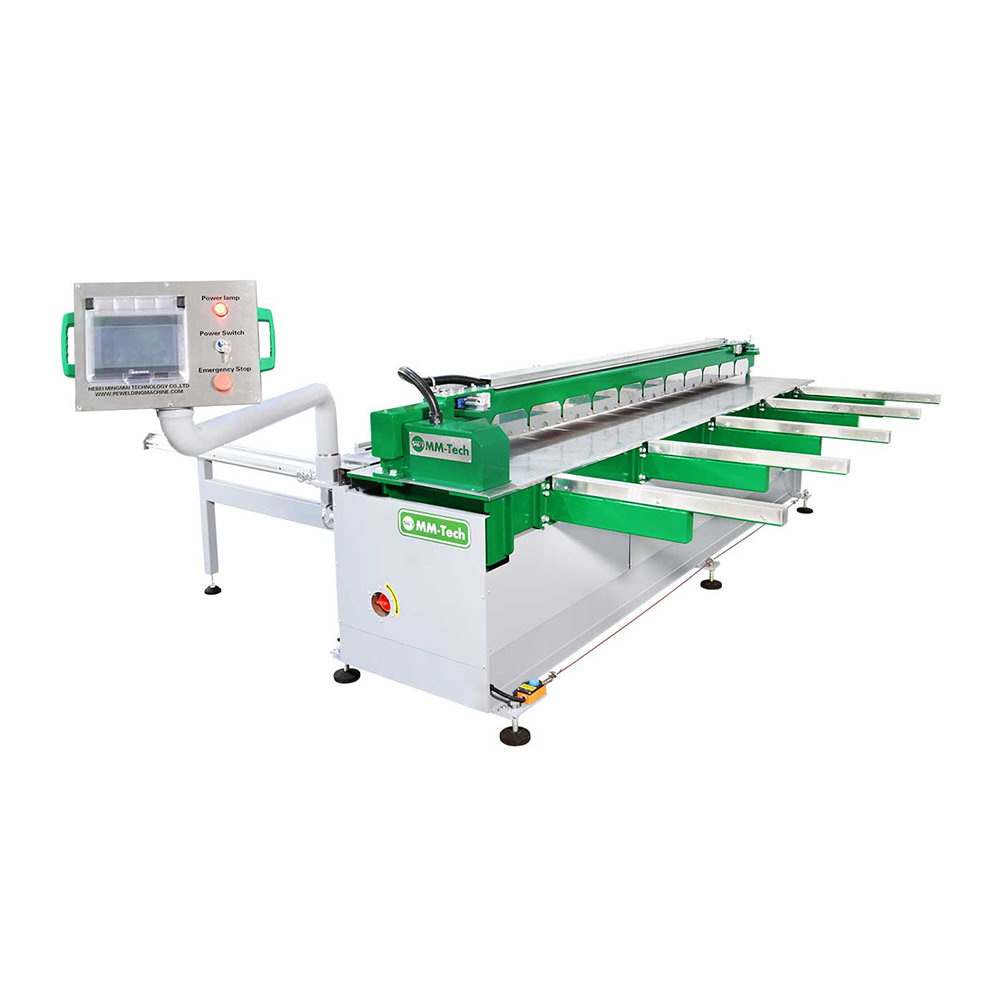
The SWT-ZW3000 is a strong sheet butt fusion welding machine. It joins thermoplastic sheets with great accuracy. Industrial work relies on this equipment for strong, repeatable welds. Fabricators face growing needs for corrosion-resistant tanks, ventilation systems, and scrubbers. The SWT-ZW3000 meets these needs with a bending length of up to 3000 mm and a sheet thickness range of 3.0 mm to 30.0 mm. It works with PPH, HDPE, PVDF, and PVC sheets. The machine is designed according to DVS 2208 and operable in compliance with DVS 2207. These features make it a useful choice for modern workshops. Buyers should know its value before deciding to buy.
Key Takeaways
The SWT-ZW3000 joins large plastic sheets that can be up to 3000 mm long and 30 mm thick.
It works with many materials, such as HDPE, PP, PVC, and PVDF, and does so with precision.
The machine meets DVS 2207-14 standards, so it makes strong and reliable welds.
Automatic controls and a two-channel timer make operation simple to repeat.
MM-TECH offers training, setup support, and a 24-month warranty so you can feel at ease.
Core Capabilities of the Sheet Butt Fusion Welding Machine
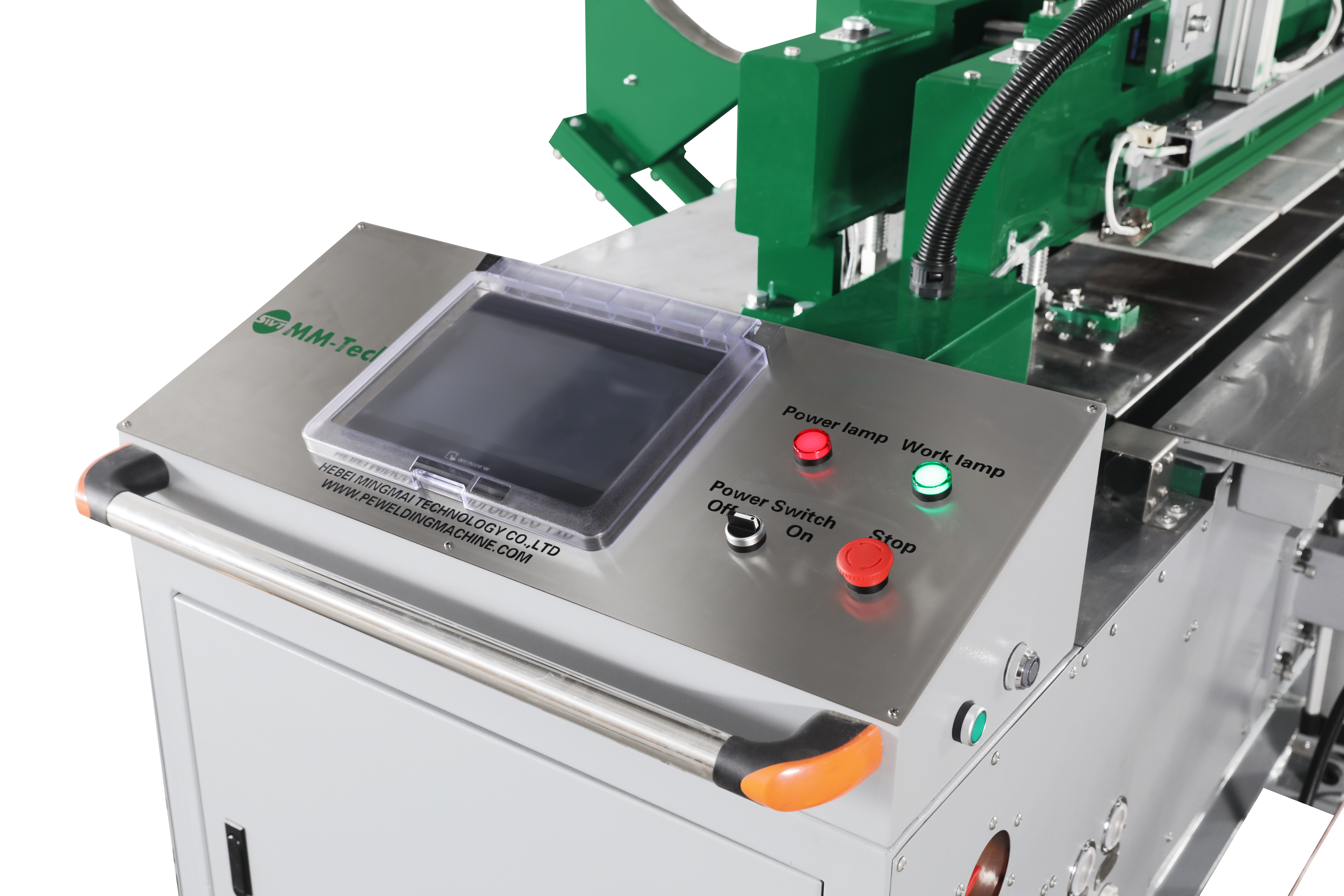
What the SWT-ZW3000 Delivers
The SWT-ZW3000 takes on tough fabrication jobs with a clear set of technical strengths. A bending length of up to 3000 mm lets operators work with large thermoplastic panels in one pass. The machine takes sheet thickness from 3.0 mm to 30.0 mm, so a workshop can handle thin cladding and heavy structural plate on the same unit. Material compatibility covers PPH, HDPE, PVDF, and PVC sheets. The design follows DVS 2208 and is operable in compliance with DVS 2207, which gives fabricators a recognised benchmark for weld quality.
The equipment also supports horizontal and round or rolling welds. Circular welding starts at a minimum diameter of 500 mm, and larger diameters have no upper limit. Bending angles range from 2 to 100 degrees. A Siemens control system with a touch screen completes all functions within five steps. The industrial-duty package runs on 380 V at 50/60 Hz, draws 8 kW of power, and carries a full-load current of 18 A. The net weight of 1380 kg shows the heavy-gauge frame beneath the working surface.
Capability area | Details |
|---|---|
Bending length | 3000 mm |
Sheet thickness | 3.0–25.0 mm standard; 3–30 mm general use |
Materials | HDPE, PP, PVC, PVDF, PPH |
Welding positions | Horizontal and round/rolling; minimum circular diameter 500 mm |
Bending angle | 2 to 100 degrees |
Control | Siemens system, touch-screen, five-step operation |
Power | 380 V, 50/60 Hz, 8 kW, 18 A |
Net weight | 1380 kg |
Why Precision and Heavy-Duty Performance Matter
Thermoplastic sheet fabrication cannot afford weak joints. Tanks, scrubbers, and ventilation ducts must stand up to chemicals and mechanical stress for years. A poor weld turns into a leak point, and a leak leads to costly repairs or full replacement. High-precision butt fusion creates a homogeneous bond across the full sheet thickness. The joint then matches the base material in strength and chemical resistance. This consistency protects the whole assembly.
Heavy-duty construction matters for the same reason. Large panels need a machine that holds alignment under load. The 1380 kg frame of the SWT-ZW3000 stands up to vibration during the heating and joining cycle. Stable performance keeps the weld plane flat and the seam uniform. Operators can repeat the same result across hundreds of cycles.
MM-TECH builds this equipment around a simple principle. The Equipment dimension of the company covers precision-engineered, heavy-duty plastic welding and bending technology. Every component serves that goal. The sheet butt fusion welding machine therefore delivers the reliability that industrial buyers expect from a production asset.
Key Components and Features
The SWT-ZW3000 sheet butt fusion welding machine pairs tough parts with a smart control unit. Together, they give steady, heavy-duty welding results. The design and safety features work as a team to meet the needs of industrial fabrication.
Control Unit, Automation, and Safety
A Siemens touch-screen control system runs the entire welding sequence. This unit adjusts heating temperature, time, and pressure on its own, based on the chosen material settings. Operators just enter the plastic type and sheet thickness. The control unit then follows a standardised five-step procedure. The SWT-ZW3000 works with multiple materials, such as PPH, HDPE, PVDF, and PVC. Each material profile gets the right heat exposure and joint pressure.
The machine also offers a changeable welding position. This feature makes welding of various fittings and complex workpieces simpler. Operators can move the machine for the best access to the seam. A separate two-channel timer tracks the soaking phase apart from the cooling phase. This precise timing helps control the cooling rate, which is vital for a homogeneous weld. Guarding and emergency stops protect the operator during high-temperature work. These built-in safety features further support reliable weld quality every cycle.
Operating the SWT-ZW3000 Effectively
The sheet butt fusion welding machine works in a set order. Operators use the Siemens touch-screen system to run the cycle. First, the operator types in the plastic type and the sheet thickness. The control unit then sets the heating temperature, heating time, and joining pressure.
The Heating and Joining Process
The trimmer starts by preparing both sheet ends. It cuts each edge flat and square. A clean edge makes a tight bond area. The heating platen then moves into place. It spreads heat evenly over the full 3000 mm working width. The material softens little by little. The first timer channel logs this soaking phase. Good timing stops overheating or underheating.
Once the soaking phase ends, the platen pulls back. The machine pushes the two softened ends together. Automatic pressure control keeps the joint firm. The second timer channel watches the cooling phase. The weld cools slowly under controlled pressure. This slow cooling forms a homogeneous bond through the whole sheet thickness. The full cycle follows DVS 2208 and is operable in compliance with DVS 2207. MM-TECH calls this the Process dimension: standardised, repeatable welding processes that match international DVS norms.
Safe Procedures and Best Practices
Safe work begins with preparing the material. Operators must clean the sheet edges. Dust, grease, and moisture weaken the weld. A lint-free cloth and an approved solvent work well. The operator must also check clamp alignment. A straight, level sheet edge gives a uniform seam. The machine frame holds the sheets steady during the cycle.
Operator safety calls for discipline. Workers should wear heat-resistant gloves and safety glasses. They must keep hands away from the heating platen. The guarding system and emergency stop give protection. Workers should ventilate the workspace well. Plastic fumes can irritate the eyes and lungs. Operators must also let the welded joint cool fully before handling. Regular checks of each weld seam help keep quality steady across production runs.
Applications, Materials, and Industry Advancements
Industrial Applications and Material Compatibility
The sheet butt fusion welding machine is used across many industries. Fabrication shops make industrial tanks, ducting, and thick parts from PP and HDPE. Civil and water projects depend on HDPE liners, ponds, landfills, and large water pipes. Signage firms weld PVC banners and sign panels. Flooring contractors use PVC for industrial floors. Tarpaulin work covers truck curtains, tarps, covers, and tensile structures in PVC and PEMD. Auto repair shops weld PP, ABS, and PP/EPDM bumpers and body panels. Advertising, furniture, and model making also need precise plastic joining. The SWT-ZW3000 works with HDPE, PP, PVC, PPR, PPH, and PVDF sheets just as well.
The right material match decides if a weld works. Each plastic needs its own heating profile and joining pressure. The machine's Siemens control system keeps these settings for every material it supports. High-performance precision spot welding then makes strong joints and steady results over long runs. Operators get homogeneous bonds that match the base material in strength and chemical resistance.
The exact phrase '2026' does not appear in the relevant retrieved text; the applications listed are drawn directly from the retrieved results and reflect current documented reliance on thermoplastic welding technology.
Smart Automation and Efficiency Gains
Smart automation shapes the workflow for industrial sheet welding. The SWT-ZW3000 uses a Siemens touch-screen control system that finishes all tasks in five steps. Automatic parameter changes take the guesswork out of the heating and joining cycle. The separate two-channel timer logs soaking and cooling phases with great accuracy. These features cut cycle times and raise output.
MM-TECH describes this progress through its Production dimension: better workflows that raise output, cut cycle times, and boost consistency. The machine's changeable welding position makes work on different fittings and complex shapes easier. Heavy-duty build keeps alignment along the full 3000 mm bending length. Fabricators therefore get repeatable welds designed according to DVS 2208 and operable in compliance with DVS 2207 at scale. The result is a production asset that keeps up with modern industrial demand.
Pricing, Maintenance, and Investment Value
Costs and Maintenance Requirements
The price of the SWT-ZW3000 depends on the setup and the service choices you pick. Workshops should weigh the purchase price against what the machine can produce. A 3000 mm bending length and a 3.0 mm to 30.0 mm thickness range can replace several smaller units. For many fabricators, this brings the total investment down. The heavy-duty frame also cuts wear, so long-term costs stay easy to predict.
Upkeep stays light for a heavy-duty machine. Operators must keep the heating platen clean. Leftover melted plastic weakens heat transfer. The trimmer blades need checking on a regular basis. Sharp blades give clean edges; dull blades leave uneven surfaces. The hydraulic and clamping systems need checks now and then. Operators should follow the service intervals in the manual. These routines stop downtime and make the machine last longer. Daily cleaning takes only minutes and avoids costly repairs.
The machine comes with a 24-month quality guarantee. MM-TECH gives free replacement parts for anything that breaks or fails under normal use. This warranty lowers the financial risk of surprise repairs. Buyers should check which components the cover includes before they buy. The guarantee covers the two-year period most operations use for validation.
MM-TECH's Full-Lifecycle Support dimension adds even more value. The company provides:
On-site commissioning
Expert process guidance
Quick after-sales care
Training covers the five-step Siemens control procedure. Commissioning makes sure the machine runs correctly at the buyer's site. Process guidance helps operators set parameters for different materials. After-sales care answers questions once the machine is in service. Each service lowers the risk of operator error and production stoppages.
Is the SWT-ZW3000 Worth It
The answer depends on how much work the operation handles. Fabricators who weld thermoplastic sheets every day will earn back the investment fast. The machine's precision cuts weld failures. Each rejected joint costs material, labour, and time. Steady welds reduce these losses.
The SWT-ZW3000 also boosts throughput. Automatic parameter control shortens cycle times. The two-channel timer takes the guesswork out of the soaking and cooling phases. Operators turn out more acceptable welds in a shift. Compliance with DVS 2208 and DVS 2207 gives customers confidence in the finished products.
The sheet butt fusion welding machine suits workshops that handle tanks, ducting, and liners. These jobs demand strong, leak-free joints. A poor weld in a chemical tank creates a serious hazard. The SWT-ZW3000 produces homogeneous bonds across the full sheet thickness. This reliability justifies the purchase for safety-critical work.
A workshop making chemical tanks sees failed welds. Each failure means rework and wasted material. The SWT-ZW3000 cuts these failures through precise control. Yearly savings from fewer rejects offset a large share of the purchase price.
Buyers should also weigh the support package. Training and commissioning shorten the learning curve. Process guidance helps with tricky materials such as PVDF. After-sales care keeps the machine productive over its lifespan. These services lower the true cost of ownership.
The market rewards efficient, repeatable production. The SWT-ZW3000 delivers this through automation and heavy-duty construction. Low-volume workshops may find the capacity is more than they need right now. Such workshops should wait to buy until order volumes grow.
Overall, the SWT-ZW3000 offers strong value for industrial operations. Its precision, material versatility, and support network make it a dependable production asset. Fabricators who need consistent, compliant welds will find the investment worthwhile.
The SWT-ZW3000 gives you high-precision, heavy-duty sheet butt fusion welding for industrial work. Its 3000 mm bending length, 3.0 mm to 30.0 mm thickness range, and ability to handle many materials make it a reliable production asset. Being designed according to DVS 2208 and operable in compliance with DVS 2207 gives customers trust in every joint.
For businesses welding thermoplastic sheets every day, the machine pays for itself through fewer rejected parts and faster cycles. MM-TECH's full-lifecycle support, which includes training, commissioning, and after-sales care, brings down the real cost of ownership. The SWT-ZW3000 is a good investment for fabricators who need consistent, compliant welds at scale.
FAQ
What sheet sizes does the SWT-ZW3000 handle?
This machine welds sheets up to 3000 mm in bending length. It takes material from 3.0 mm to 30.0 mm thick. That range handles thin cladding and heavy structural plate on one unit. Workshops can avoid buying several smaller machines for different jobs.
Which thermoplastic materials can operators weld?
The SWT-ZW3000 joins PPH, HDPE, PVDF, and PVC sheets. It also works with PP, PPR, and similar thermoplastics. Every plastic needs its own heating profile and joining pressure. The Siemens control system saves these settings and applies them automatically.
Does the machine meet recognised welding standards?
Yes. MM-TECH builds the SWT-ZW3000 according to DVS 2208, and it is operable in compliance with DVS 2207. This standard gives fabricators a known benchmark for weld quality. Customers gain confidence in finished tanks, ducting, and liners.
How difficult is the machine to operate?
A Siemens touch-screen control system runs all tasks in five steps. Operators enter the plastic type and sheet thickness. Then the unit sets heating temperature, time, and pressure on its own. A separate two-channel timer records the soaking and cooling phases.
What support does MM-TECH provide after purchase?
MM-TECH offers full-lifecycle support. This means technical training, on-site commissioning, expert process guidance, and quick after-sales care. The machine also has a 24-month quality guarantee with free replacement parts if something fails under normal use. These services lower the cost of ownership.
See Also
Perfecting Polypropylene Tank Construction Using The SWT-ZW7000 Sheet Bending Welder
SWT-PH5000 Sheet Butt Fusion Welder Successfully Completes Factory Acceptance Testing
Why MM-Tech SWT-PH6000 Sheet Butt Fusion Welder Is Vital For Semiconductor Tanks
Automatic Sheet Butt Fusion Welding Machine SWT-PH3000 Has Been Shipped To Portugal
MM-Tech Leading Sheet Butt Fusion Welding Machine Manufacturers During The Year 2026
CALL US DIRECTLY
NO.355, Youyi South Street, Qiaoxi District, Shijiazhuang, Hebei, China.
www.hdpeweldingmachine.com david@peweldingmachine.com