A Complete Guide to Choosing the Right Plastic Pipe Band Saw

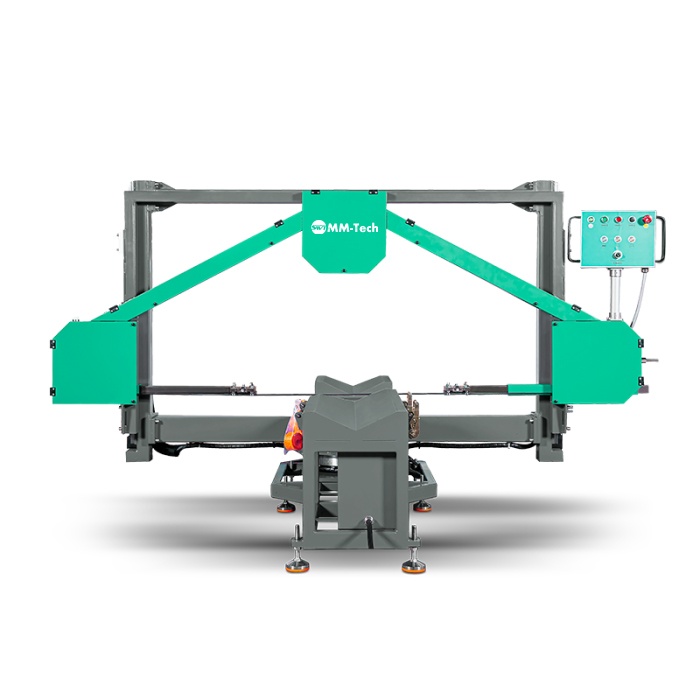
You need to choose a plastic pipe band saw that matches your material, precision, and job needs. This tool cuts plastic pipes cleanly, which helps you get strong, safe fusion welds. Good blade choice, speed control, and cooling protect your cut quality and make your work safer.
Key Takeaways
Choose a plastic pipe band saw that matches your pipe size and material. This ensures clean cuts and strong joints.
Always use the right blade for the type of plastic you are cutting. A sharp blade prevents melting and rough edges.
Regularly maintain your saw by cleaning it and checking the blade. This keeps your cuts precise and your workspace safe.
Understanding Plastic Pipe Band Saws
Definition and Structure
A plastic pipe band saw cuts pipes made from many plastics. The machine has a steel frame that keeps it steady. The main part is a blade shaped like a loop. This blade moves in one direction. You can change how fast the blade goes. This helps you cut thick or thin pipes. Band saws often have clamps to hold pipes still. Clamps help you make straight cuts. Some band saws have digital screens. These screens help you set the right angle. Guide rails or rollers help move heavy pipes into place.
Tip: Always make sure the blade is tight before you start. If the blade is loose, your cut will not be straight.
Material Compatibility
You must use the right band saw for your pipe. Most band saws work with HDPE, PP, and PVC pipes. These plastics are used for water, gas, and chemical pipes. Some band saws can cut PB or PVDF pipes too. Always check the guide from the maker. This tells you which plastics your saw can cut. Using the right saw stops melting, chipping, or rough edges.
Common compatible materials:
HDPE (High-Density Polyethylene)
PP (Polypropylene)
PVC (Polyvinyl Chloride)
PB (Polybutene)
PVDF (Polyvinylidene Fluoride)
Industrial Applications of Bandsaws for Plastic Cutting
Workshop Fabrication Scenarios
You often see bandsaws for plastic cutting in large workshops. These machines help you cut thick plastic pipes into precise shapes. You can use them to make elbows, tees, and crosses for custom pipe systems. MMTECH design their saws for high accuracy and easy operation. You can set the angle and length for each cut. This helps you prepare pipe segments for welding. When you use a bandsaw, you get flat and smooth edges. These edges fit together well during fusion welding. You can move the cut pieces straight to a fitting fabrication welding machine. This teamwork between the saw and the welder gives you strong and leak-proof joints.
Tip: Always check that your pipe is secure before you start the saw. This keeps your cut straight and safe.
Challenges in Plastic Cutting
Melting and Chipping Issues
When you cut plastic pipes, you may see melting or chipping. The saw blade can get hot if you move too slowly or use the wrong blade. Heat can melt the pipe edge. This makes the cut rough and uneven. Chips can break off if the blade is too coarse or moves too fast. You want to avoid both problems. Always choose the right blade for the job. Keep the blade sharp and clean. Move the saw at a steady speed. This helps you get a smooth edge and keeps the pipe strong.
Tip: Let the saw do the work. Do not push too hard. This keeps the pipe cool and stops melting.
Achieving Flat and Precise Cuts
You need flat and precise cuts for strong joints. If the cut is not flat, the pipe will not fit well. This can cause leaks or weak spots. You can use a fine-toothed saw blade with 16 to 18 teeth per inch for cleaner cuts. Make sure the blade has very little offset, no more than 0.025 inches. This keeps your cut straight. Many people use a guide, like a miter box, to help the saw move in a straight line. You can also use a band saw or a circular power saw that runs at 3,600 feet per minute. Use normal hand pressure. These steps help you in ensuring excellence in plastic cutting.
Steps for cutting plastic pipes flat and precise:
Pick a fine-toothed blade.
Check the blade offset.
Use a guide for straight cuts.
Keep a steady speed and pressure.
You will get better results when you follow these tips for cutting plastic pipes.
Essential Features of a Plastic Pipe Band Saw
Dimensional Capacity
You should pick a plastic pipe band saw that fits your pipe size. The dimensional capacity shows the biggest pipe the saw can cut. Small saws cut pipes up to 1½ inches. These are good for quick jobs and using one hand. Bigger saws cut pipes up to 5 inches. You can use these for more materials and larger projects.
Maximum Cut Size | Typical Use |
|---|---|
1½ inches | Small models for one-handed use |
48 inches | Larger portable band saws for various materials |
Note: Pick a saw that can cut your largest pipe. This keeps your work moving and stops delays.
Angular Articulation
You want your plastic pipe band saw to cut at different angles. Angular articulation lets you make miter cuts for elbows, tees, and wyes. Basic saws turn one way, usually from 0° to 45°. Advanced saws from MM-TECH turn both ways, sometimes up to 67.5°. Turning both ways helps you cut tricky shapes without moving heavy pipes. You set the angle with a digital screen or a manual scale. This gives you more control and helps you make neat joints.
Turning both ways saves time.
Digital screens help you cut more accurately.
Wide turning range helps you make custom fittings.
Drive and Feed Mechanisms
You move the saw with its drive and feed system. Old saws use hydraulic cylinders. These work but can leak oil and need more fixing. Newer saws, like MMTECH, use electric drives. Electric drives give you steady speed and make less mess. You can change the speed for thick or thin pipes. Electric systems let you set very exact speeds. This helps you stop melting and chipping when you cut plastic. You get better cuts and the saw works better.
Tip: Electric drives need less fixing and keep your area clean.
Automation and Control
Automation makes your job easier and safer. Manual saws need you to watch and change the feed. Semi-automatic saws stop the blade when the cut is done. CNC saws from ROTHENBERGER and MM-TECH use sensors and motors. These saws hold pipes, set angles, and check parts by themselves. You get the same cut every time and work faster. Upgrading to CNC saws helps you finish jobs in hours, not days. Automation helps you make fewer mistakes and keeps your cuts the same.
CNC helps your work go faster.
Automatic holding saves you effort.
Laser sensors help you cut straight.
Blade Selection for Plastic Cutting
You need to pick the right blade for cutting plastic pipes. Each plastic needs a special blade and speed. Fine-toothed blades are best for acrylic and PVC. You need cooling and good air flow for these plastics. Polyethylene and polypropylene need sharp blades and speed you can change. You stop melting by changing speed and keeping blades clean. MMTECH make blades for many plastics. Check the blade before you start. This helps you get smooth edges and strong joints.
Plastic Type | Properties | Cutting Requirements |
|---|---|---|
Acrylic (PMMA) | Transparent, shatter-resistant, high optical clarity | Fine-toothed blade, cooling required |
PVC | Durable, chemical resistant | Fine-toothed blade, ventilation needed |
Polyethylene (PE) | Tough, flexible, chemical resistant | Speed control, sharp blade required |
Polypropylene (PP) | Higher temperature resistance, stiff | Adjustable speed, sharp blade needed |
Polystyrene (PS) | Rigid, brittle | Fine-toothed blade, moderate speed required |
ABS | Tough, impact-resistant | Adjustable speed, sharp blade needed |
Tip: Always use a sharp blade and change speed for each plastic. This keeps your cuts neat and protects your pipe.
You do better work when you pick the right features. You get better results when your plastic pipe band saw matches your job.
Buyer's Guide: Choosing the Right Bandsaw
Matching Saw to Pipe Size and Application
You need to match your bandsaw to the pipe size and the job you want to do. Start by checking the largest and smallest pipes you will cut. Look at the material type and the wall thickness. Each material and size needs a different cutting height and power.
You should also think about the type of plastic you will cut. Some plastics need special blades or speed settings. When choosing the right bandsaw, always check if the saw can handle your biggest job. If you plan to use a welding machine, make sure the saw and the welder can work together. This keeps your workflow smooth and helps you finish projects faster.
Tip: Write down your most common pipe sizes and materials before you buy a saw. This helps you pick the best machine for your shop.
Evaluating Precision and Safety
You want your cuts to be flat and accurate. Good precision means your pipes fit together well and your joints stay strong. Look for features that help you cut straight every time. Here are some important things to check:
Blade guard that covers most of the blade during cutting
Large, easy-to-reach shut-off switch
Saw that does not restart by itself after a power outage
You should also choose the right blade for each material. For thick pipes, use a blade with fewer teeth per inch. For thin pipes, use a blade with more teeth. This helps you get the best performance and keeps your cuts clean.
Note: Safety is just as important as precision. Always check that your saw has guards and emergency stops.
Considering Automation and Maintenance
Automation can make your work easier and faster. Manual saws need you to watch every step. Semi-automatic saws stop when the cut is done. CNC saws use sensors and motors to set angles and hold pipes. These features help you cut the same way every time. They also reduce mistakes and keep your work safe.
You should also think about maintenance. Electric drives need less fixing than hydraulic ones. They keep your workspace clean and help your saw last longer. When you choose a saw, check how easy it is to change blades and clean the machine.
Here is why aligning your saw with your welding machine matters:
Evidence Type | Description |
|---|---|
Efficiency Improvement | Mechanical welding can improve throughput capacity by 50% compared to hand welding. |
Error Reduction | Automation reduces the incidence of errors, minimizing the need for corrections in engineering. |
Consistency | Ensures consistent and accurate output in high-volume production. |
When your saw and welding machine match, you get better results. You save time, reduce errors, and keep your production line moving.
Tip: Choose a saw with easy maintenance and automation features. This helps you keep your shop running smoothly.
By following this buyer's guide, you can make smart choices for cutting plastic pipes. You will improve your safety, precision, and overall performance.
Maintenance and Safety for Plastic Cutting
Blade Care and Replacement
You have to keep your band saw blade in good shape. This helps you stay safe and get the best cuts. Always look at the blade before you use it. Check for cracks, missing teeth, or bends. If you see damage, put in a new blade. Use the right blade for the plastic you are cutting. This stops the blade from getting too hot and making rough cuts. Keep extra blades in a dry place so they do not rust. Put the guides close to the blade so it does not twist. Make the blade tight before you start a big job. A sharp blade makes cutting easier and safer.
Clean off sawdust and bits after you finish.
Change dull blades so you do not push too hard.
Check if the blade is tight and straight often.
Tip: Taking care of your blade helps you cut better and stay safe.
Cleaning and Lubrication
You should clean your plastic pipe band saw a lot. Take out sawdust and chips from the table, guides, and bottom part. This keeps the saw working well and stops problems with tracking. Use a soft brush or a vacuum to clean. Look for dust in the air vents. Good air flow keeps the motor cool and stops it from getting too hot. Put oil on moving parts when needed, but do not get oil on the cutting spot. Too much oil can make the pipe slippery and unsafe. Keep your work area clean to stop accidents and make things safer.
Clean air helps your saw last longer.
Checking your saw often stops problems early.
Safety Procedures
You must follow safety rules every time you use a plastic pipe band saw. New machines have safety parts like emergency stop buttons, blade guards, and auto shut-off. Always wear safety glasses, gloves, ear protection, and safety shoes. Make sure you know how to use the saw before you start. Keep your work area neat and tidy. Read the manual and hold your pipes tight before you cut. Check the saw for problems before each use. Have a first aid kit and know what to do if there is an emergency.
Safety Procedure | Description |
|---|---|
Integrated safety features | Emergency stop buttons, safety guards, and auto shut-off keep you safe. |
Operator training and qualification | Learn how to use the saw and spot dangers. |
Personal protective equipment (PPE) | Wear safety glasses, gloves, ear protection, and safety shoes. |
Regular machine inspection and maintenance | Check the saw often to stop it from breaking. |
Clean and organized work area | A neat space helps stop accidents. |
Safe operating procedures | Read manuals and hold pipes tight before cutting. |
Emergency preparedness | Keep a first aid kit and know what to do in an emergency. |
You should always think about safety when you cut plastic. Good safety habits keep you and others safe.
You need to pick your plastic pipe band saw carefully. Think about how accurate it cuts and what materials it can handle. Make sure the saw works well with your other tools. Use a checklist to help you:
Dimensional capacity
Angular flexibility
Drive mechanism
Automation features
Always choose a saw that lasts a long time and keeps you safe.
FAQ
What plastics can you cut with a plastic pipe band saw?
You can cut HDPE, PP, PVC, PB, and PVDF pipes. Always check your saw’s manual for the full list.
How do you keep the pipe from melting during cutting?
Use a sharp blade and set the right speed. Let the saw do the work. Do not push too hard.
Why does matching the saw to the welding machine matter?
Matching ensures your cuts fit perfectly. You get strong, leak-free joints and a smoother workflow.
See Also
Selecting the Ideal Plastic Pipe Welder for 2025
Your Ultimate Guide to Choosing a PPR Welding Machine
Selecting the Right HDPE Fitting Fabrication Equipment
CALL US DIRECTLY
NO.355, Youyi South Street, Qiaoxi District, Shijiazhuang, Hebei, China.
www.hdpeweldingmachine.com david@peweldingmachine.com