Mastering 90° Thermoplastic Bending: Precision Testing with the SWT-PZ4000

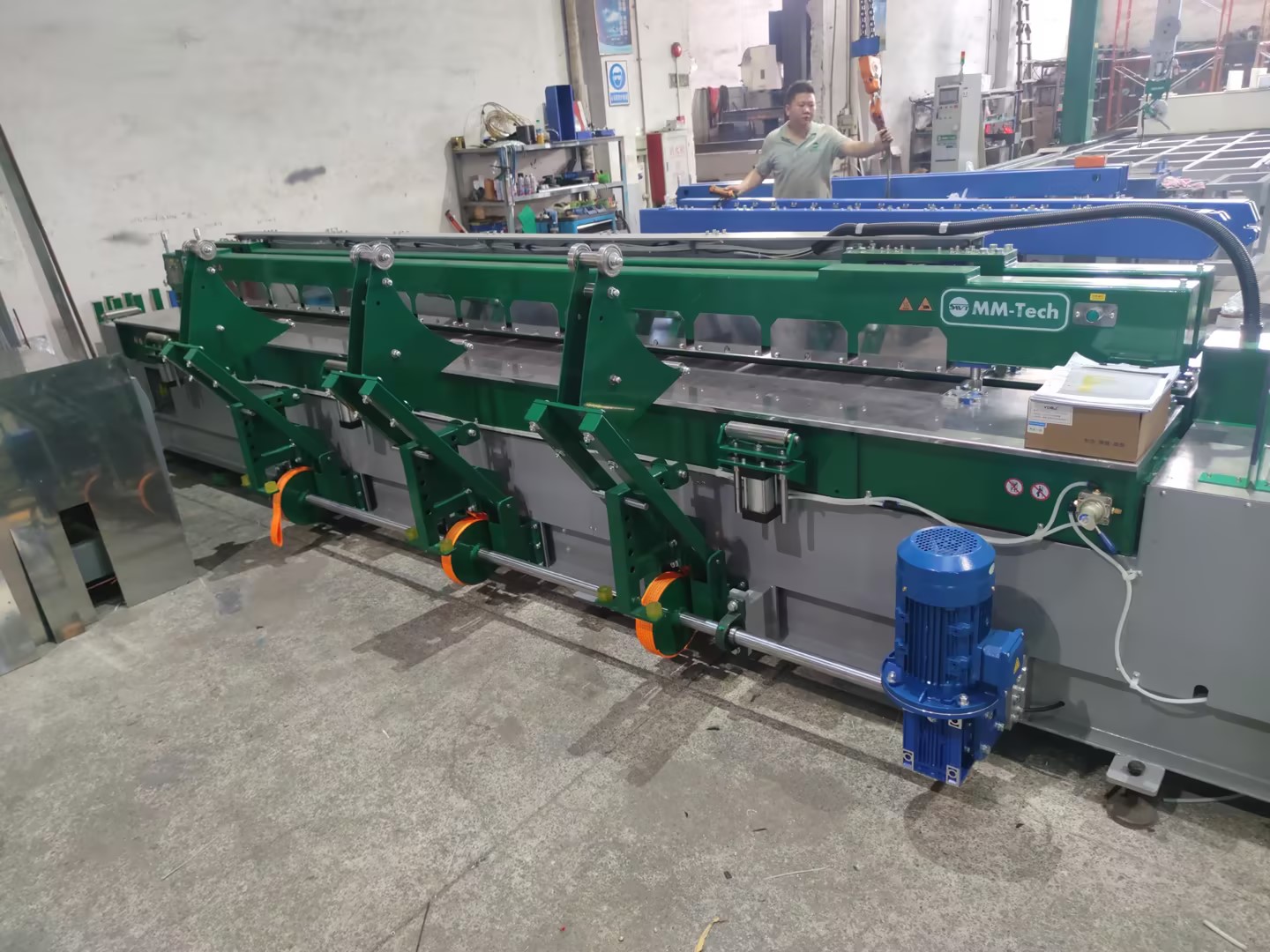
You face a tough challenge in heavy-duty plastic fabrication. A precise, repeatable 90° bend in thick thermoplastics often cracks or springs back. The SWT-PZ4000 sheet butt fusion welding machine solves this problem. It combines controlled dual-zone heating with DVS 2207-14 compliance. How do you set the right parameters and verify the result? This guide walks you through setup, heating, cooling, welding, and testing. We use real test data from a 10mm thick, 1500mm wide SIMONA® HDPE sheet. These results show you exactly what works.
Key Takeaways
The SWT-PZ4000 bends and welds thermoplastics with precise dual-zone heating.
Set the upper heater to 210°C and the lower heater to 200°C for a clean 90° bend.
Always cool the bend for 400 seconds under pressure to prevent spring-back and cracks.
After bending, use the same machine to weld the joint with proper parameters.
Check the bend angle and weld quality to ensure strong, reliable parts.
Equipment and Material Setup
SWT-PZ4000 Machine Capabilities
The SWT-PZ4000 works as both a sheet butt fusion welding machine and a precision bending tool. This dual function saves you floor space and cuts down on material handling between operations. The machine bends thermoplastics from 30° to 90°, which covers most structural fabrication needs. You can process PE, PP, PVC, PVDF, PC, ABS, and Acrylic sheets on the same platform. The test described here used a 10mm thick, 1500mm wide SIMONA® HDPE sheet. That width shows the machine can handle large-format panels.
The bending function depends on controlled dual-zone heating. An upper heater and a lower heater work independently. This design lets you fine-tune temperature gradients through the material thickness. The fusion function uses a separate heating plate for butt welding. You switch between bending and welding modes without taking out the workpiece. This integration makes production of tanks, ductwork, and other 90° assemblies more efficient.
Material Selection and Prep (SIMONA® HDPE)
SIMONA® HDPE gives you excellent chemical resistance and weldability. These properties make it a top choice for industrial applications. The material also keeps consistent density and melt flow across the sheet. That consistency leads directly to predictable bending results. You should check every sheet before loading it onto the machine.
Clean edges matter for both bending and fusion. Remove any dust, oil, or cutting residue with a lint-free cloth and a suitable solvent. Check for uniform thickness across the entire sheet with a caliper. Thickness variations cause uneven heating and can lead to spring-back or cracking. If the sheet has absorbed moisture, pre-dry it according to the manufacturer's recommendations. Moisture trapped in HDPE turns to steam during heating. That steam creates bubbles and weakens the bend zone. Proper storage and handling prevent most moisture issues before they start.
Step-by-Step 90° Bending Process
Dual-Zone Heating Parameters
The SWT-PZ4000 uses two heaters that work on their own to create a controlled temperature gradient across the sheet's thickness. You set the upper heater to 210°C and the lower heater to 200°C. This 10°C difference is on purpose. The upper zone needs more heat because gravity pulls the softened material down during bending. The lower zone stays cooler to stop sagging. A hotter lower zone would make the sheet droop before the bend forms. The result would be a bent corner instead of a clean 90° angle.
Heating time is 120s for the 10mm SIMONA® HDPE sheet. This time lets heat spread evenly through the full thickness. If the heating cycle is too short, the core stays rigid. The sheet then cracks when you apply bending force. Too long a cycle overheats the surface. The material breaks down and loses strength at the bend line. The 120-second window brings the entire cross-section to the right forming temperature without scorching either face.
Parameter | Setting |
|---|---|
Upper heater temperature |
|
Lower heater temperature |
|
Heating time |
|
Bending / cooling time |
|
Target angle |
|
You should check heater contact across the full 1500mm width before starting the cycle. Uneven contact creates cold spots. Those cold spots resist bending and cause uneven angles along the sheet. Check the heater plates for debris or damage before every run.
Cooling and Stress Release (400s)
The 400s cooling phase is the most important part of the process. The sheet stays under clamp pressure for the whole time. This pressure holds the bend at exactly 90° while the material hardens. If you release the clamps too early, the sheet springs back. The angle opens up and the part fails inspection.
Cooling under pressure also stops leftover tension from building up inside the bend zone. That tension causes cracks weeks or months after fabrication. The 400-second hold lets the molecular structure settle into its new shape. The bend becomes stable and permanent.
This step follows DVS 2207-14, the standard for bending thermoplastics. That standard defines the cooling needs for thick-gauge sheet. The 400-second time meets the compliance threshold for 10mm HDPE. Do not shorten this phase to speed up production. The loss in quality is greater than any time you save.
The target angle is 90°. The clamp shape sets this angle mechanically. The cooling phase locks it in place. After 400 seconds, you release the clamps and inspect the bend. A properly cooled bend keeps its shape with no visible spring-back. The inner radius stays smooth and the outer surface shows no cracks or whitening. Whitening means the material was over-stressed during the bend. Cracks mean the heating was not enough or the clamps were released too early. Both problems come back to how you control the settings. The SWT-PZ4000 gives you that control through separate heater zones and a timed cooling cycle.
Sheet Butt Fusion Welding Machine Integration
Vertical Jointing and Seam Alignment
After you finish the 90° bend, the SWT-PZ4000 changes to its second job. It works as a sheet butt fusion welding machine for building parts. You can weld the bent panel to another sheet at the new 90° joint. This ability lets you build tanks, ductwork, and containment structures from flat sheets. The 90° vertical jointing feature holds both sheets in perfect alignment during the welding cycle. You clamp the vertical sheet against the bent flange. The heating plate moves between the surfaces that will touch. Once the surfaces reach the right melted state, you remove the plate and press the joint together.
How you line up the seam decides the final quality of your assembly. Misaligned edges create weak spots at the weld line. Those weak spots break under load. Check the joint gap before heating. The gap must stay the same across the full 1500mm width. Any difference causes uneven welding and weak spots. The SWT-PZ4000 clamps hold the sheets flat and square during the whole process. This control gives you a clean, straight seam every time.
Welding Parameters for HDPE
Welding parameters must match the base material. You need the right pressure, temperature, and hold time to make a weld as strong as the original sheet. These settings are different from the bending temperatures. The bending cycle uses 210°C and 200°C to soften the sheet for shaping. The welding cycle uses a separate heating plate at a temperature made for melting HDPE. You set the pressure to push the melted surfaces together without squeezing out too much material. The hold time lets the joint cool under pressure until it hardens.
Check your machine manual for the exact welding settings for 10mm HDPE. The DVS 2207-14 standard gives guidance for welding thermoplastics. Follow those recommendations for your specific sheet thickness. A good fusion weld shows an even bead on both sides of the joint. No gaps, no burning, and no visible cracks. The sheet butt fusion welding machine gives you repeatable control over every setting. That control turns a bent panel into a finished structural part.