Redefining Plastic Sheet Fabrication: Efficiency Meets Innovation

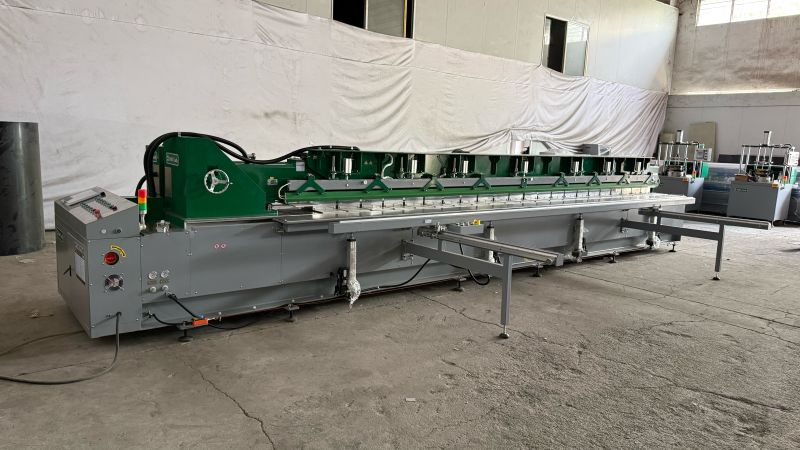
Fabricators face constant pressure to boost throughput and weld quality while controlling costs. You may wonder what drives real innovation in today's sheet butt fusion welding machine. The answer lies in how laser precision principles inspire new automation approaches. This innovation borrows from laser technology that sets the standard for accuracy. Laser-based sensors now monitor welding parameters in real time. Laser alignment tools ensure perfect joint preparation. This laser-inspired innovation turns manual welding into a fully automated, multi-functional platform. The technology delivers a real competitive edge. Your facility gets steady results without hurting speed or quality. Read on to learn the specific innovations changing fabrication.
Key Takeaways
Modern welding machines combine welding, bending, and circular welding into one machine, saving space and money.
Laser-guided sensors check temperature, pressure, and alignment as they happen, so the weld quality stays the same every time.
Automation cuts labor costs and lessens physical strain, so one worker can handle heavy tasks.
Data logging provides full tracking, meeting tough industry standards and building trust with clients.
Investing in better welding tech makes work faster, reduces waste, and gets your shop ready for what comes next.
From Manual to Automated Welding
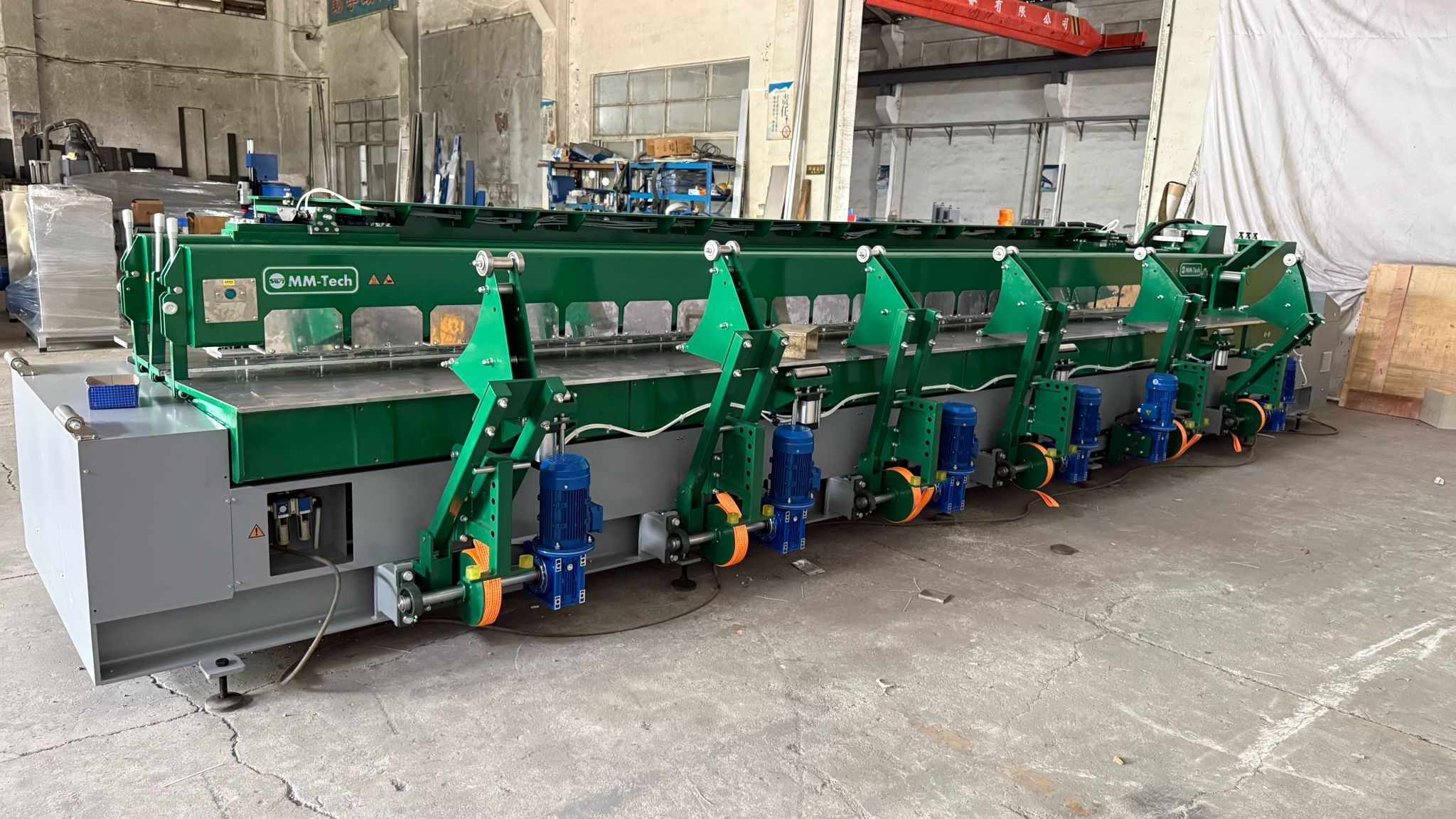
The Limitations of Legacy Equipment
Manual welding causes ongoing issues for fabricators. You depend on each worker's skill for every weld. That dependence leads to uneven results between shifts and among different employees. One worker might use too much heat. Another might rush along the seam. Both errors create weak joints that break under stress. You also deal with high labor costs since manual welding needs skilled technicians. Those experts earn higher pay. They also work slowly, especially on thick sheets that need several passes. Cycle times run longer than needed. Rework cuts into your profits. Scrap material raises your disposal costs. Every manual weld hides extra expenses beyond the obvious labor charge.
Quality checks become a guessing game with older machines. You cannot confirm weld strength without destructive testing. That test ruins the exact part you need to deliver. You might check one piece from a batch. That single piece tells you little about the other fifty items. Regulated clients ask for proof. Manual methods cannot offer dependable records. You miss contracts because you cannot show your quality. You take on risk because you cannot display your process controls. These limits grow with each job. Your rivals with automated systems work faster and record more details. You fall behind.
The Shift Towards Integrated Systems
Modern fabrication needs a new approach. The all-in-one machine combines many tasks into one unit. This setup removes the need for separate welding stations, bending tools, and material movers. You cut down on floor space. You cut down on equipment costs. You cut down on training time for your team. One operator can run the whole process from a single screen. That operator no longer needs years of welding experience. The machine guides the steps. The machine checks the settings. The machine saves the data.
This change marks a major shift in welding technology. You move from handcrafted skill to exact engineering. Laser-based sensors now steer the process with accuracy humans cannot match. Laser alignment tools ensure perfect joint setup before welding starts. Laser-based monitors track heat and pressure during the whole weld. This laser tech turns welding from a personal skill into a clear, repeatable process. The sheet butt fusion welding machine becomes a precise tool rather than a hand tool. You gain consistency. You gain speed. You gain records. The next part looks at these key innovations closely.
Core Innovations in Sheet Butt Fusion Welding Machines
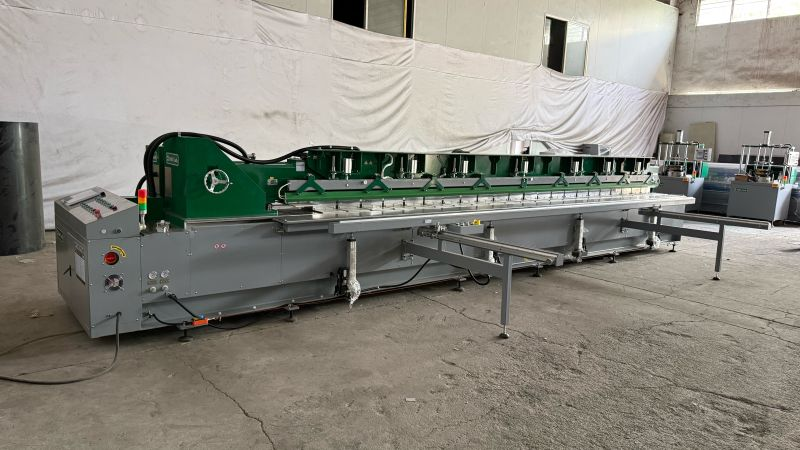
The SWT-PZ6000 by MM-TECH is the best example of modern welding innovation. This sheet butt fusion welding machine brings linear welding, circular welding, and sheet bending together in one platform. You no longer need separate stations for each job. One machine handles all three tasks with precision. This 3-in-1 design changes your workflow from the moment you turn it on.
The 3-in-1 Platform: Welding, Bending, and More
Think about your current shop floor. You likely have a welding station, a bending brake, and a separate area for circular work. Each piece of equipment costs money, takes up space, and needs its own maintenance schedule. The SWT-PZ6000 removes that clutter. You get one compact unit that handles every function your projects need.
This innovation changes how you approach each job. You can switch from a straight seam weld to a round cylinder weld without moving the workpiece. You can bend a sheet to a precise angle and then weld it in the same setup. The smooth switch between processes saves you a lot of time on every project. Your team finishes tasks faster than old methods allow.
The cost benefits go beyond saving time. A single multi-process unit replaces several specialized machines. You avoid buying, maintaining, and storing multiple welders. Your equipment costs drop right away. Your consumable expenses follow the same trend. You also free up valuable floor space for other work. Your shop becomes more organized and efficient.
Training becomes easier too. Your operators learn one control panel instead of three different interfaces. They master the pre-set modes quickly. They start helping with production sooner. Your training costs shrink while your workforce becomes more flexible.
Fully Automatic Handling for Heavy-Duty Tasks
The SWT-PZ6000 handles big workloads with advanced automated rolling and lifting systems. You no longer struggle to move heavy sheets into place. The machine does that work for you. This automation cuts operator fatigue a lot. Your team stays fresh during long shifts. They avoid the strain injuries that come from manual material handling.
Safety improves as well. Automated systems reduce operator contact with welding hazards. Your workers stay away from fumes, heat, and radiation during the welding process. The machine handles every step predictably. Unexpected movements become a thing of the past. Your safety record improves. Your insurance costs may drop too.
The capacity of this machine impresses even experienced fabricators. It rolls and welds PP/PE sheets up to 30mm thick. It creates cylinders with diameters up to 4 meters. These numbers show serious industrial power. You take on large-scale projects that smaller machines cannot handle. You bid on contracts that were once out of reach.
Labor costs drop because the fully automatic line needs very little manual help. Robotic handling, automatic welding, and intelligent stacking work together. Your skilled welders focus on quality control and complex tasks. They supervise instead of struggle. Your resource use improves across the board.
This welding technology marks a major shift in fabrication capability. The laser-guided systems ensure every joint meets exact specifications. You get steady weld strength on every pass. The innovation built into this machine delivers results that manual methods cannot match. Your competitive edge grows with every project you finish.
Enhancing Weld Quality with Real-Time Monitoring
Modern sheet butt fusion welding machine platforms use smart sensors to track key details during the weld. These sensors check temperature, pressure, and alignment all the time. The machine changes each setting right away. This instant feedback loop gives steady weld strength on every joint you make. You no longer rely on guesses or a worker's judgment. The system fixes small problems before flaws appear.
Data Logging and Traceability
Your quality team needs proof that each weld is strong. The SWT-PZ6000 records every setting on its own. Temperature numbers, pressure readings, and alignment data all save to a digital file. You can look at this data anytime. You can share it with clients who want proof. This tracking matters a lot in chemical and high-purity plants where a bad weld could cause serious danger.
The data logging system keeps temperature within ±5°C of the target. This accuracy stops overheating that causes stains and holes. It also stops cold welds that don't bond well. Pressure settings follow tables for each material. Polypropylene needs 0.10 N/mm² joining pressure. Polyethylene needs 0.15 N/mm². The machine uses these values automatically. Your workers never forget a setting.
Alignment checks keep face mismatch to 0.1 times the panel thickness. This tight limit keeps the full strength of the joint. Step defects disappear. Even bead shape becomes normal. Every weld meets the same standard. Your quality records show steady results batch after batch.
Adaptive Process Control
Laser-guided sensors run the adaptive control system. These laser sensors check joint alignment very accurately. They spot even tiny shifts during the weld. The machine fixes these shifts right away. This laser technology stops defects before they hurt the joint.
The changeover time also gets careful control. The machine keeps the switch within the DVS maximum. Melted surfaces never cool below fusion temperature. This timing stops cold welds that make the joint weak. The adaptive system changes heating and cooling rates based on real conditions. Thicker sheets get longer heating times. Thinner materials finish faster. The machine makes every cycle best on its own.
This laser-based monitoring turns welding quality from a random result into a sure outcome. You get repeatable weld strength on every job. Your rework rates drop a lot. Your clients see the difference. Your reputation for quality grows with each project you ship. The mix of data logging and adaptive control gives you full confidence in every weld you send out.
Boosting Efficiency and Reducing Operational Costs
The automation in modern sheet butt fusion welding machines pays off right from day one. You swap several separate units for one combined platform. That one change lowers your equipment costs, saves floor space, and cuts maintenance at the same time. The SWT-PZ6000 puts linear welding, circular welding, and sheet bending into a single workflow. Your team moves between stations without hauling heavy parts. Every saved move adds minutes of useful time. Over a full production week, those minutes build into hours of extra output.
Cutting Cycle Times and Labor Requirements
Cycle times drop a lot when one machine handles many steps. You skip the setup time between separate tasks. You skip the waiting time while workers move materials. The automated rolling and lifting systems place heavy PP/PE sheets without manual effort. Your operators watch over the process instead of doing it. This change lowers the physical strain on your team. It also lowers the skill level needed for new hires. A worker with basic training can run the whole system from one control panel.
Labor costs follow the same downward path. One operator handles jobs that used to need three or four workers. Your skilled welders focus on quality checks and solving tough problems instead of repetitive manual work. The machine does the heavy lifting, the exact positioning, and the steady weld application. Your payroll costs shrink while your production output grows. The CMT process from Fronius shows this efficiency well. Its exact current control and stable arc reduce distortion and waste. The Pulse Multi Control process reaches welding speeds 15-20% faster than normal pulsed arcs. That speed gain adds up across every joint you make.
Minimizing Material Waste and Energy Consumption
Precision control directly cuts scrap and rework. The laser-guided sensors on modern machines check temperature, pressure, and alignment all the time. They catch problems before they turn into defects. You avoid the costly loop of making a bad weld, cutting it out, and starting again. Material waste from rejected parts drops a lot. The steady energy delivery from inverter-based systems lowers defect rates by 15%. Your rework costs shrink. Your material costs follow.
Energy efficiency improves in several ways. Inverter-based transformers reach 90-95% efficiency compared to 75-85% for older transformers. That gap means a 30-40% cut in power loss. The SWT-PZ6000 uses energy-saving heating elements that apply heat only where and when needed. Performance-adapted cooling systems match cooling output to actual power use. They use only the energy needed for the best results. This method avoids wasteful cooling cycles.
The financial effect of these gains is large. Facilities that switch to energy-efficient welding equipment report 25-40% drops in power use. Yearly energy savings can hit $12,500 for a mid-sized shop. The payback period usually runs about 18 months. Your utility bills drop every month. Your carbon footprint shrinks along with them. The laser-based monitoring systems make sure every weld meets specs on the first try. You avoid the double energy cost of welding once and then rewelding. Your production efficiency rises by 15%. Your maintenance costs fall by 25%. The technology pays for itself through steady operational savings.
The quality gains from precision control go beyond cost savings. Steady weld strength means fewer failures in the field. Fewer failures mean fewer warranty claims. Your reputation for reliability grows with every project. The laser-guided systems deliver repeatable results that manual methods cannot match. This technology changes your cost structure while raising your output quality. You compete on both price and performance at the same time.
Real-World Applications and Proven Results
Theory matters, but real results matter more. The SWT-PZ6000 shows its worth in tough fabrication settings. These case studies reveal how the technology fixes specific production issues.
Case Study: Large-Scale Chemical Storage Tanks
Fabricators use this machine to build chemical storage tanks. These tanks need thick sheets. The SWT-PZ6000 handles PP/PE sheets up to 30mm thick. It makes cylinders with diameters up to 4 meters. The welding process uses laser sensors. These laser sensors watch temperature and pressure. The joint quality stays steady along the whole seam. The automated rolling system moves the heavy sheet into place. The laser alignment tools make sure edges meet perfectly. This engineering use of laser welding creates a strong, leak-proof tank. The data logging system saves every setting. The client gets a full quality report. This traceability meets strict industry rules. You save time. You cut labor costs. You make a better product. The laser technology makes it happen. This case study points out key laser welding uses in heavy industry. It shows how the technology solves real production problems.
Case Study: Custom Ventilation Ductwork
Custom ductwork brings different challenges. You deal with complex shapes. You need tight bends and 90-degree corners. The 3-in-1 platform works great here. You move from linear welding to circular welding to sheet bending without shifting the workpiece. The laser-based monitoring system checks alignment as you work. The laser system fixes small errors right away. The joint forms with even strength. The precision gives you a perfect fit. The fully automatic handling cuts manual work. One operator runs the whole process. This flexibility makes the machine perfect for custom fabrication shops. The engineering use of laser welding delivers high-quality results on every job. The accuracy of this machine is a big plus. You handle tricky shapes without losing speed. The smooth welding operation boosts your workflow. The laser in this machine gives you amazing control. You win more contracts. The precision of this laser technology gives you an edge over rivals. The laser sensors ensure steady results every time.
Future Trends in Welding Automation
The next wave of sheet butt fusion welding machines connects directly to your factory's digital backbone. Industry 4.0 turns these machines from standalone tools into smart nodes on your production network. This shift changes how you monitor, maintain, and optimize your welding operations.
Integration with Industry 4.0
Your welding equipment now sends real-time data to central systems. IoT sensors track weld energy, peak power, and pressure curves continuously. These sensors detect out-of-spec conditions right away. They also spot early signs of component wear before failures occur. This predictive maintenance approach cuts unplanned downtime by 20%. Your scrap rates drop by 15%. Your uptime gains reach 20% through smarter scheduling.
Emerging Trend | Operational Benefit |
|---|---|
IoT-enabled process control | Immediate out-of-spec rejection and predictive maintenance |
AI-driven maintenance | 20% less unplanned downtime, zero-defect production |
Digital Twins | 30% cost reduction versus new equipment purchases |
Full digital traceability | Compliance with IATF 16949 and ISO 13485 standards |
OEE gains | 20-30% efficiency improvement, 12-18 month ROI |
Digital twin technology lets you simulate your welding process before touching real material. You retrofit existing equipment with sensors and build a virtual model. This approach costs 30% less than buying new machinery. You optimize parameters without wasting production time.
IIoT for Productivity Tracking: Plant managers at a Finland-based fabrication specialist implemented WeldCloud, an IIoT platform, to determine the exact productivity of welders at each station by shift. This demonstrates the trend of using data analytics to monitor and improve manual and automated welding operations.
Cyber-physical systems connect your welding machines to broader networks. These systems exchange data and improve their own performance. Smart production tools let people and machines collaborate effectively. Digitization strengthens connections between you, your suppliers, and your customers. Small batch orders become profitable through smart material management. Energy-saving functions help you contain costs while protecting the environment.
The Role of Laser Welding Technology
Laser welding technology represents the next precision frontier for plastic fabrication. This laser welding process offers speed and accuracy beyond conventional methods. You achieve tighter tolerances on complex geometries. The laser welding process reduces heat-affected zones significantly. Your welds become cleaner with less distortion.
Laser deep penetration welding creates narrow, deep joints in thick materials. This laser deep penetration welding approach suits heavy-duty applications like chemical tanks. You complete thick sheet welds in fewer passes. Your cycle times shrink considerably.
Laser-arc hybrid welding combines two heat sources into one process. This laser-arc hybrid welding technique merges laser speed with arc versatility. You handle varied material thicknesses with one setup. Laser-arc hybrid welding adapts well to changing production demands. This laser-arc hybrid welding method gives you flexibility across different projects. Laser-arc hybrid welding also improves gap tolerance during assembly. You spend less time on precise fit-up preparation.
Laser-arc hybrid welding technology remains specialized for now. The equipment costs more than traditional systems. You need trained operators who understand both processes. However, the precision gains justify the investment for high-value work. Laser-arc hybrid welding will likely become standard as costs decrease. Laser deep penetration welding continues advancing for thick materials. This laser deep penetration welding evolution promises even greater efficiency. The laser welding technology landscape changes rapidly. You should evaluate these options against your production needs. The laser welding process will reshape fabrication standards. Laser technology adoption separates market leaders from followers. Your competitors may already explore these laser welding technology solutions. The laser welding technology investment positions you for future contracts. Laser welding technology delivers the precision your clients demand. The laser welding technology trajectory points toward broader adoption. Laser welding technology represents your next competitive advantage.
The change from manual to automated, multi-purpose machines changes plastic sheet fabrication. This shift is more than simple updates. You get a big upgrade in what you can make. Automation, live monitoring, and flexibility help you work faster and make better products. Laser-guided sensors keep weld strength steady. Laser alignment tools make sure joints are perfect. Laser-based data logging gives full records of each weld. This laser technology takes away guessing. You get the same good results every time. This new method lowers labor costs. It cuts down on material waste. It speeds up production. Buying advanced systems like the SWT-PZ6000 is a smart investment. You prepare your business for more competition. You set up your shop for new chances. The welding technology gives clear benefits. Your good name for quality grows with each job. How is your shop growing its plastic fabrication abilities this year? Let's talk about the future of industrial welding automation.
FAQ
What makes the SWT-PZ6000 different from traditional welding machines?
The SWT-PZ6000 puts linear welding, circular welding, and sheet bending into one machine. You do not need several separate machines anymore. The automatic handling system moves heavy sheets into place. One operator runs everything from a single control panel. This laser-guided approach gives steady results every cycle.
How does real-time monitoring improve weld quality?
Laser sensors check temperature, pressure, and alignment all through each weld. The system changes settings right away when something goes off. You keep weld strength within tight limits. Data logging saves every setting for quality records. This laser welding technology removes guesswork from your fabrication process.
What materials and thicknesses can this machine handle?
The SWT-PZ6000 works with PP/PE sheets up to 30mm thick. It makes cylinders up to 4 meters across. The machine handles tough industrial jobs like chemical storage tanks and ventilation ductwork. Laser alignment tools make sure joints are prepared right no matter the material thickness.
How does this machine reduce operational costs?
You swap several standalone units for one integrated platform. Labor needs drop because automation does the heavy lifting. Precision control cuts scrap and rework a lot. Energy-saving heating elements lower utility bills. The laser welding technology brings real savings within months of setup.
Is this investment practical for smaller fabrication shops?
Yes. The 3-in-1 design means you do not buy multiple machines. Training costs drop because operators learn one interface. Floor space opens up for other work that makes money. The laser welding technology grows with your production needs. You gain competitive power without making your facility bigger.
See Also
Essential Tools for Welding Plastic Sheets Successfully
Understanding Plastic Sheet Butt Fusion Welders and Their Operation
Simple Steps to Understand Fitting Fabrication Machines
CALL US DIRECTLY
NO.355, Youyi South Street, Qiaoxi District, Shijiazhuang, Hebei, China.
www.hdpeweldingmachine.com david@peweldingmachine.com