Reinventing Thermoplastic Fabrication: Meet the SWT-MAW7000 Mechanical Arm Welding Machine

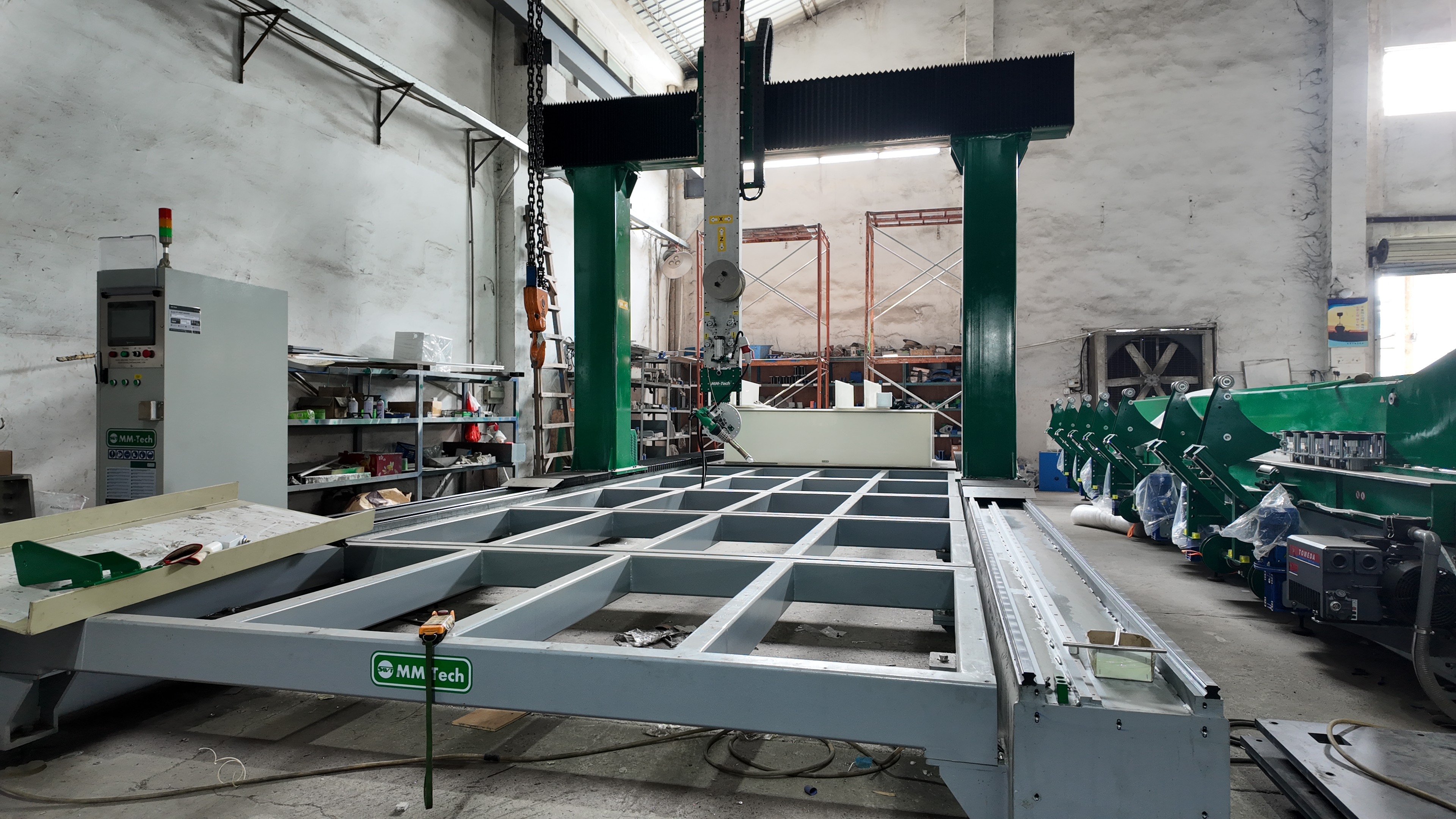
The sheet butt fusion welding machine is a big step forward in thermoplastic fabrication. Its mechanical arm automates and standardises the butt fusion process, removing the differences that come with hand-operated methods.
Sheet butt fusion welding joins thermoplastic sheets by heating their edges and pressing them together. This method is very important for making large plastic tanks and equipment. But doing it by hand leads to inconsistent results that lower quality.
How does this machine change the way we make things? The answer is accuracy, speed, safety, and less need for skilled workers. By automating a hard, manual process, this machine improves what factories can do for jobs that need high-quality welds. That makes the same good results possible for more operators.
Key Takeaways
The SWT-MAW7000 mechanical arm does thermoplastic welding automatically, giving steady, high-quality results.
It reduces the need for skilled workers and cuts down on mistakes made by people when welding.
The machine makes the workplace safer by keeping operators away from heat and repetitive strain.
It makes production faster and increases output, while still keeping the welds strong and reliable.
The system easily deals with complex shapes and different materials, giving you flexibility.
Limits of Conventional Sheet Butt Fusion Welding Machines
Inconsistency and Skill Dependency
Manual sheet butt fusion welding relies a lot on the operator's skill. Skilled workers make even weld beads. Less skilled people cannot copy that consistency. Tiredness makes it harder to focus during long shifts. So weld quality changes along each joint. This change makes the final product weaker. The process becomes hard to predict.
Big plastic tanks need even welds along long seams. One weak joint can damage the whole structure. Workers with different skill levels make different results. This unevenness makes quality checking hard. Normal sheet butt fusion welding machines cannot remove the human factor. The process still depends on each worker's skill. This need for skill slows down production and raises training costs. It also creates a bottleneck for making more products.
Labour Intensity and Safety Risks
Welding large thermoplastic sheets is hard on the body. Workers have to hold heavy materials and keep steady pressure on the welding tool. Doing the same movements over and over strains wrists, arms, and shoulders. The heat from welding makes workers more tired. They work in warm places for long periods. Physical discomfort makes them work less well over time.
Safety risks are a big worry. Hot plates and melted plastic can burn workers. Fumes from heated polymers can harm breathing. Doing the same tasks for a long time can cause body injuries. These risks get worse when making big tanks and equipment. The work has longer weld seams and heavier sheets. Workers face more heat and physical strain. Normal sheet butt fusion welding machines do not lower these dangers. The operator is still exposed to heat and repeated movement. Automation takes people away from these dangerous conditions. Manual welding cannot give this much protection.
Inside the Automated Sheet Butt Fusion Welding Machine: Core Features
Mechanical Arm and 3-Axis Rotary System
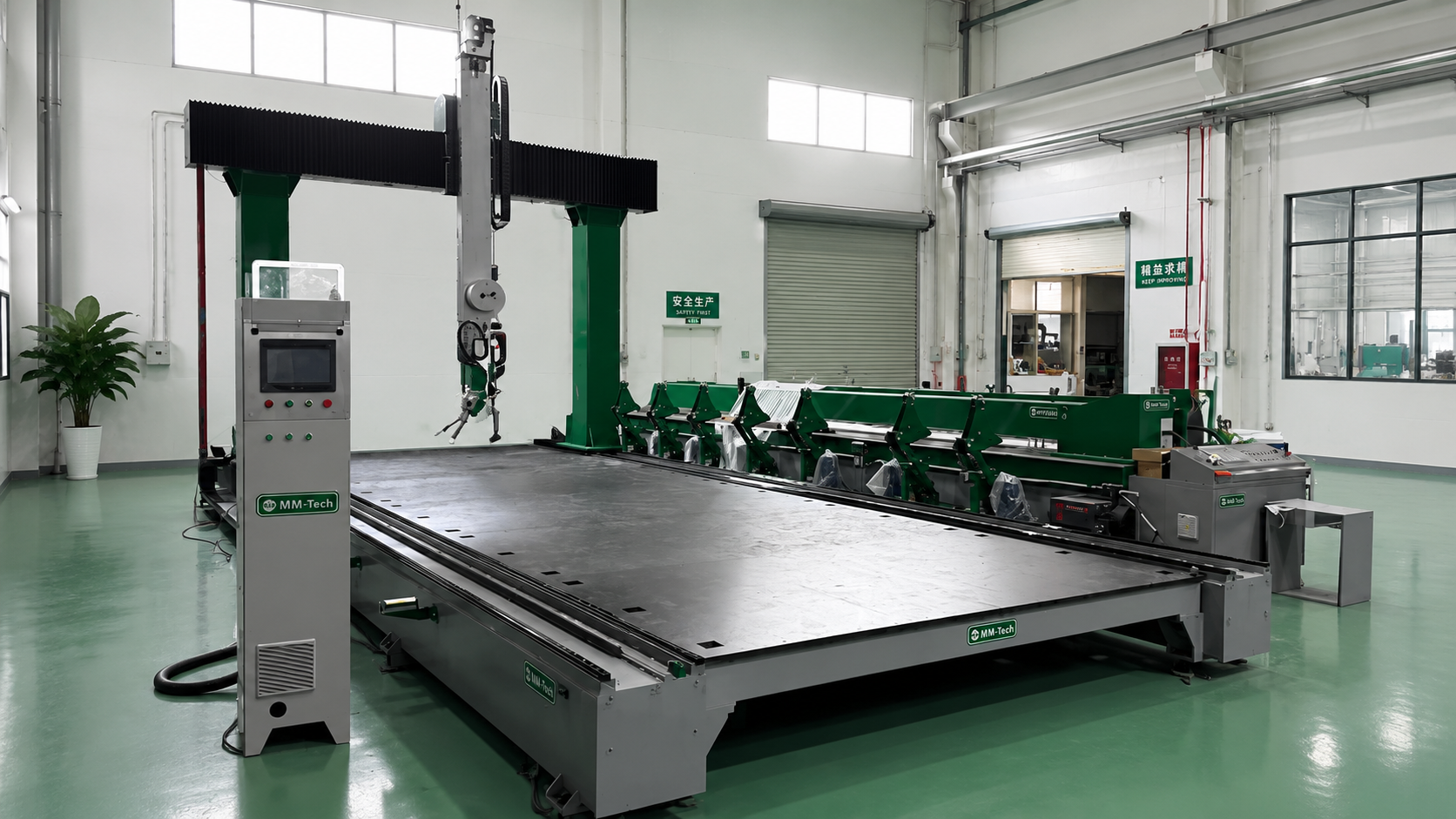
The mechanical arm is the main part of the sheet butt fusion welding machine. It does the butt fusion process automatically from beginning to end. The arm follows the joint line very closely. It can reach in many directions without being moved by hand. This close tracking takes away the guesswork from placing welds. The arm travels along the seam and presses down steadily. This gives a smooth bead shape along the whole length.
The multi-axis rotary system gives the machine full precision in every direction. The axes control up, down, side-to-side, and depth movement. The rotary base spins all the way around. Together, these let the arm follow tricky shapes on large thermoplastic sheets. Curved parts, corners, and long straight seams all get the same care. The system fits different joint shapes without extra setup. Operators can weld tanks with round or rectangular shapes using just one machine.
Industrial Robotics and CNC Integration
The machine combines industrial robotics, CNC motion control, and heavy-duty extrusion welding. These three technologies work together as one smooth process. The CNC system guides every movement with exact coordinates. The robotic arm carries out those movements without any drift. The extrusion welder lays down material at the right speed and temperature. This setup means the sheet butt fusion welding machine runs as one coordinated unit. Each part of the process helps the others.
The easy-to-use interface makes the machine open to operators with different skill levels. The control panel uses clear prompts and simple commands. An operator does not need years of welding experience to use the system. The machine leads the user through every step. Training time goes down because the interface makes the workflow the same each time. Skilled welders can change settings when they need to. New operators can get steady results right from the start. This ease of use brings the technology to more fabrication teams.
How the Mechanical Arm Reduces Human Error
Automated Bead Formation and Pressure Control
The mechanical arm controls the whole bead formation process from beginning to end. When welding by hand, the operator must guess the speed, angle, and pressure. Tiredness or a short loss of focus causes mistakes that make beads uneven. The sheet butt fusion welding machine takes away this need for personal judgement. Its arm moves along the joint with programmed accuracy. The weld bead forms at a steady rate along the full seam, giving a uniform shape from one end to the other.
Pressure control matters just as much in butt fusion. Too little pressure causes weak bonding between the thermoplastic sheets. Too much pressure pushes melted material out of the joint and weakens the weld. Hand operators find it hard to keep steady pressure over long welds on big tanks. The mechanical arm uses a uniform force through the whole process. Sensors check the contact between the welding head and the material surface. The system adjusts the arm position to keep the programmed pressure. Changes in sheet thickness or small surface flaws do not change the result.
This automation removes the inconsistency that limits manual sheet butt fusion welding. Every weld on every project gets the same controlled bead formation and clamping force. Quality depends on the machine settings, not the operator's energy or experience. The outcome becomes predictable and measurable.
Real-Time Adjustments and Repeatability
The sheet butt fusion welding machine uses many sensing technologies to make corrections during welding. These systems keep the weld path accurate even when the workpiece has small dimensional changes. The machine combines several sensor types.
Laser seam tracking shines a laser line onto the joint ahead of the welding arc. The system reads the reflected pattern and adjusts the arm path to follow the seam centre. This makes up for gaps or shifts in the alignment of the sheets. Vision systems use high-resolution cameras to find the part geometry before welding starts. The machine picks the correct welding programme from the visual data by itself. During welding, the cameras keep giving feedback on torch position.
Touch sensing uses the welding wire or nozzle to touch the part surface before the arc starts. This confirms the exact workpiece position and makes sure the arm starts from the correct reference point. Through-the-arc tracking watches the electrical features of the arc while welding. Changes in current or voltage show torch drift from the joint centre. The control system adjusts the arm path in real time to fix the deviation.
These sensors work together in a continuous loop. The laser scanner maps the joint ahead. The vision system checks alignment. The touch probe confirms start positions. The arc sensor watches weld stability. No step needs the operator to step in. The machine corrects itself many times per second.
Repeatability comes from this closed-loop control. The same programme gives the same weld quality on the first sheet and the hundredth sheet. Changes in room temperature, material batch properties, or fixture setup do not change the outcome. The system adapts to each condition and keeps the target parameters throughout. The closed-loop design makes sure each weld matches the specifications coded in the programme, no matter the outside conditions.
This ability tackles the pain points of inconsistency and skill dependency talked about earlier. A fabrication shop no longer needs highly experienced welders to get premium quality. The machine makes excellence the same every time. Operators learn the interface quickly and trust the sensors to handle the fine adjustments that once took years of practice. The result is reliable, high-integrity welds on every project, from chemical storage tanks to large-diameter piping.
Benefits for Thermoplastic Fabrication
Improved Weld Quality and Throughput
The machine gives steady weld quality on every joint. The mechanical arm keeps even bead shapes along long seams. This removes the weak spots common in manual welding. Large-diameter tanks need this level of precision. Human tiredness does not change the final result. The machine makes the same high-quality weld on every sheet. Operators trust the repeatability for important storage jobs.
Production speed goes up while keeping the strength of the structure. The automatic process runs at a steady speed from start to end. Workers do not stop between welds for rest or recovery. The sheet butt fusion welding machine finishes each cycle faster than hand methods. Cycle times get shorter. Output goes up. The strength of each joint stays strong. Workers finish more jobs in less time. Workflow blockages go away.
The machine can use HDPE, PP, and PVDF structures. These materials need exact temperature and pressure control. The system gives these settings the same each time. Workers change between material types safely. The same machine works on different jobs without new setup. This flexibility helps with different making needs for chemical tanks and other large-scale equipment.
Enhanced Safety and Reduced Training
Automation takes workers away from direct heat. The mechanical arm does the hot extrusion process. Workers watch from a safe distance. This separation lowers the chance of burns and breathing in fumes. Body strain goes down a lot. Workers do not hold heavy welding tools for a long time. Repetitive motion injuries happen less often. Accidents from tiredness fall. The workplace gets safer for all.
Training needs fall a lot with the automated machine. The standard process takes away the need for years of experience. New workers learn the controls fast. They make good welds on their first try. The machine does complex adjustments. Need for skill goes down. A fabrication shop grows its staff without looking for skilled welders. Training costs go down. Output goes up faster.
Steady quality removes human tiredness on large-diameter tanks. The sheet butt fusion welding machine keeps even bead shapes along the whole weld. Better efficiency speeds up work times while keeping the strength of the joint. Same quality meets tough industry storage rules. These benefits make the machine perfect for chemical tanks and large-scale thermoplastic fabrication. Each weld meets specs. Workers feel sure in their end products.
The sheet butt fusion welding machine directly fixes the main problems of traditional welding. Its mechanical arm removes weld inconsistency. The system cuts down labour intensity. It also lowers the need for skilled workers. Operators no longer need years of experience to make strong joints.
This new idea changes how we build things. High-quality, repeatable welds become open to more operators. Every weld meets strict quality rules for making large equipment.
Readers can learn more about the machine. They can ask for a live demonstration. They can download a technical brochure. These resources give detailed specifications without unsupported claims.
FAQ
Buyers looking at automated welding ask useful questions about this machine. The answers below cover common enquiries.
Which materials can the machine process?
The machine welds HDPE, PP, and PVDF structures. These materials are used in chemical tanks and large-scale industrial equipment. The system controls temperature and pressure exactly for each material type. Operators can switch between materials without a lot of reconfiguration.
Does the machine require experienced welders?
No. The mechanical arm does the welding process fully on its own. New operators learn the interface quickly. The machine handles fine adjustments. Those adjustments once took years of practice. Training time drops a lot. Steady results come from machine settings, not operator experience.
Can the machine weld complex geometries?
Yes. The rotary system gives full multi-directional reach. The arm follows curved parts, corners, and long straight seams with equal precision. Operators can weld round or rectangular tanks using one machine without extra setup.
How does automation improve operator safety?
The mechanical arm performs the hot extrusion process. Workers watch from a safe distance. Burn risk and fume exposure go down. Repetitive strain injuries fall. Workers do not hold heavy tools for long periods. The workplace becomes safer overall.
What weld quality can buyers expect?
The machine produces even bead profiles along the full seam. Laser seam tracking and vision systems adjust the arm path continuously. Closed-loop control repeats the same weld quality on every sheet. Quality depends on programmed settings, not human tiredness.
See Also
Expert Guide To PP Tank Fabrication Using SWT-ZW7000 Bending Welding Machine
SWT-PH5000 Sheet Butt Fusion Welder Successfully Completes Factory Acceptance Testing
MM-Tech Leading Sheet Butt Fusion Welding Machine Manufacturers For 2026
Achieving Precision In 90° Thermoplastic Bending Through SWT-PZ4000 Testing
MM-Tech Launches Advanced Thermofusion Welding Solutions For Malaysian Water Treatment
CALL US DIRECTLY
NO.355, Youyi South Street, Qiaoxi District, Shijiazhuang, Hebei, China.
www.hdpeweldingmachine.com david@peweldingmachine.com