How CX700 geomembrane machine makes welding safe and shareable

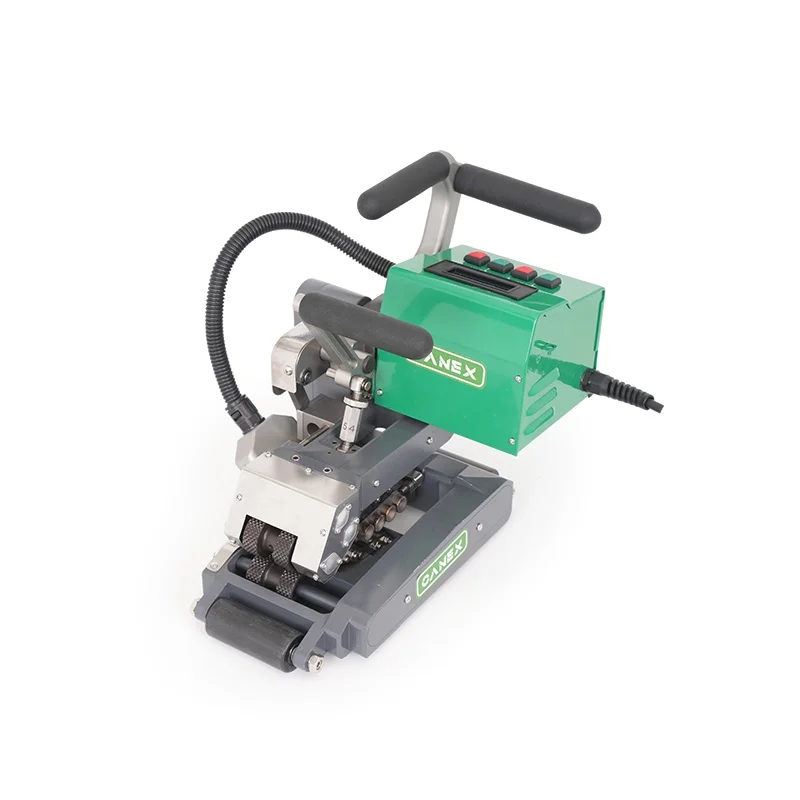
The CX700 geomembrane machine from MM-tech makes welding safer and data easier to share in mining heap leaching and tailings dam work. Automated controls and fail-safes keep operators safe on site. Data logging and remote monitoring let engineers, auditors, and project owners see every seam record.
How do these benefits turn into real-world performance, compliance, and cost savings compared to other welding options? Mining teams need answers they can check against project specifications. They compare seam quality, regulatory acceptance, and total operating cost. The CX700 meets each point with features made for containment work. This geomembrane machine gives crews a practical way to safer welds and clearer records.
Key Takeaways
The CX700 machine keeps welding safe by using automatic controls and backup safety features. These stop weak seams early.
Data logging and remote monitoring let engineers, owners, and inspectors share one clear record for every weld.
The CX700 is made for main production welding on heap leach pads and tailings dam slopes, while hand tools take care of repairs.
New operators learn faster on the CX700 because it keeps settings steady and gives logged records for training.
The CX700 lowers the risk of rework and helps with compliance, which makes it a useful tool for large containment projects.
Geomembrane machine roles in mining containment
Heap leaching and tailings dam applications
Mining companies depend on geomembrane liners in three main ways. Evaporation ponds hold brine so salt can be recovered. Heap leach pads pile up mineral-bearing rock and catch the pregnant solution underneath. Tailings impoundments store fine waste left over from ore processing. Geomembranes were first used in the 1970s for evaporation ponds. As projects got bigger and environmental rules got stricter, the industry then used them for heap leach pads and tailings impoundments.
Picking a liner for heap leaching depends on several things. Engineers weigh chemical exposure from the leach solution, operating temperature, rock loading, puncture protection, interface shear between liner and soil, and seam testing. HDPE geomembranes are now widely used as anti-seepage barriers in gold mines and tailings projects. The CX700 geomembrane machine is part of MM-tech's lineup for these containment jobs. It helps crews who weld HDPE liner panels on leach pads and dam slopes.
Why seam quality matters for containment
A liner works only as well as its seams. A weak seam lets solution leak into groundwater, and that failure brings regulatory and financial problems. Seam quality therefore shapes the whole containment design. Before construction starts, project owners set the welding methods, test frequencies, and acceptance criteria.
The welding machine plays a direct part in meeting those criteria. Steady heat, pressure, and travel speed create even seam strength across long panel runs. The CX700 lets operators control these settings. Crews can then check each seam with destructive and nondestructive testing. Good records from the machine back up that checking work and help owners show compliance.
How the CX700 makes welding safe
Automated controls and fail-safes
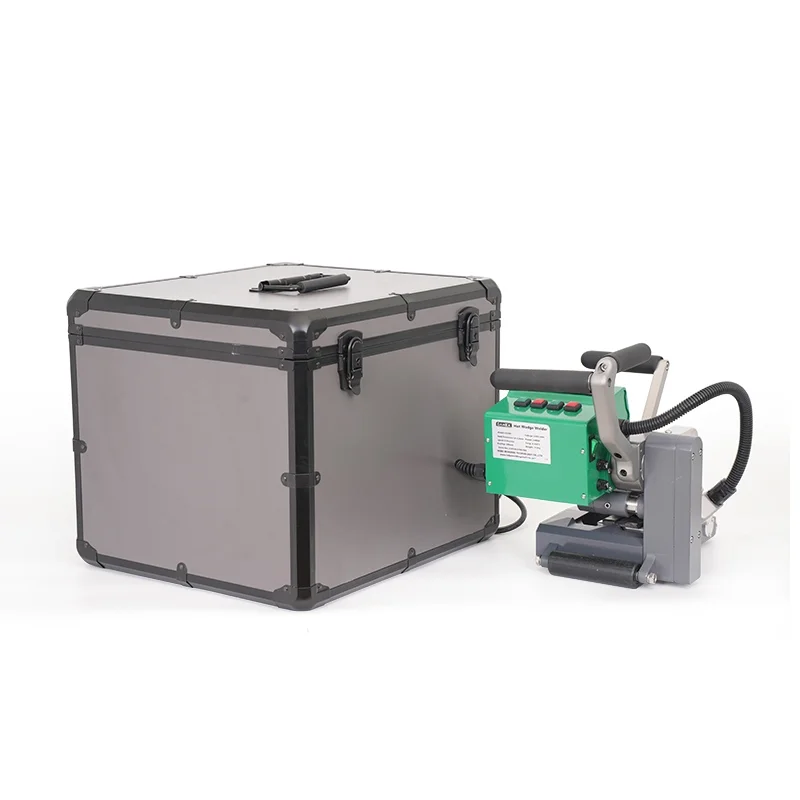
Welding HDPE liner panels on a tailings dam slope puts operators near heat, moving parts, and heavy material. The CX700 cuts that risk by controlling the welding settings on its own. The operator sets the target temperature, pressure, and travel speed on the control panel. The machine then holds those values through the whole seam run. This removes the hand adjustments that cause changes on long welds.
Fail-safes add a second layer of protection. The CX700 checks its own welding conditions while it runs. When a reading moves outside the set range, the machine warns the operator and stops the weld. The crew can then fix the fault before the seam cools. This early stop keeps a weak seam from being buried under the next panel. It also protects the heating element and drive system from damage.
The design keeps the operator's hands away from the weld zone. Crews guide the machine along the seam instead of pressing a hand-held tool against the liner. On steep dam slopes and uneven leach pad surfaces, this gap matters. It lowers the risk of burns and slips during long shifts. The automated controls also cut operator tiredness, and tired crews make fewer mistakes.
Real-time monitoring on site
Safety depends on knowing what happens during the weld, not only after it. The CX700 shows live readings for temperature, speed, and pressure on the machine. The operator watches these values and reacts to any change at once. A sudden drop in speed or a jump in heat shows up on the screen before the seam is done.
This live feedback supports the seam testing program described earlier. Crews can mark a seam they doubt and test it first. They do not need to wait for a full shift of welding before they find a problem. Supervisors also use the live data to coach operators on site. A new operator can see how travel speed affects seam quality in real time.
The monitoring function works alongside the machine's data logging. Every reading is stored for later review. Site engineers can compare the live values against the logged record and confirm that the weld stayed within specification. This link between real-time monitoring and stored data gives mining teams a full safety picture. The geomembrane machine becomes a documented part of the containment quality system, not just a welding tool.
How the CX700 makes welding shareable
Data logging and remote monitoring
A welded seam keeps serving the project long after the crew leaves the slope. The CX700 treats each seam as a record, not just a task. The machine saves the welding settings for every run it completes. Temperature, travel speed, and pressure go into the log along with the seam position. Engineers can then pull the history for any panel on the leach pad or tailings dam.
This saved record changes how teams share information. A site engineer can send a seam history to the design office without copying paper sheets by hand. The project owner can review the same file during a compliance audit. Third-party inspectors get a clear trail that links each weld to its settings. The geomembrane machine therefore turns welding data into a shared asset for the whole project team.
Remote monitoring extends that sharing beyond the site. Supervisors can check welding progress from an office and compare it against the construction schedule. When a logged reading falls outside the approved range, the team can flag that seam for testing before the next panel goes down. This early flag protects the containment barrier and saves the cost of rework. The data also supports the seam testing program, because crews know exactly which welds need a closer look.
Training and knowledge transfer
Welding skill often lives in a few experienced hands. The CX700 helps spread that skill across the crew. The machine holds the set parameters on its own, so a newer operator makes consistent seams while learning the craft. Trainees focus on guiding the machine and reading the liner surface instead of chasing hand adjustments.
The logged data gives trainers a concrete teaching tool. An instructor can open a seam record and show a trainee how travel speed changed along a slope. They can compare a strong seam with a flagged one and point to the difference in the numbers. This turns abstract advice into visible evidence. New crew members reach reliable output faster, and the site depends less on a single expert.
Knowledge also transfers between projects. A company that runs the CX700 on one tailings dam can carry its parameter records to the next job. Engineers review past settings and set a proven starting point for the new site. This continuity helps teams meet the welding methods and acceptance criteria that owners specify before construction. The geomembrane machine thus becomes a carrier of institutional knowledge, not only a tool for one shift.
CX700 geomembrane machine vs. other welders
Performance and application fit
Each welding method suits a different job. Hot wedge welders melt the liner surfaces with a heated wedge and press them together. They work well on long, straight panel runs and flat ground. Extrusion welders feed molten rod into the seam. They fit patching, detail work, and joints where a wedge tool cannot reach. The CX700 handles long production seams with automated control of heat, speed, and pressure.
The CX700 fits heap leach pads and tailings dam slopes, where crews weld many panels under tight quality rules. Its automated settings hold seam quality steady across a full run. Hot wedge and extrusion tools remain the right choice for repairs, tie-ins, and small jobs. A project often uses all three methods together. The geomembrane machine covers the main production welding, and hand tools finish the details.
Compliance and cost
Compliance starts with seam testing. Projects set weld methods and test frequencies before construction, and inspectors check seams against those criteria. Upstream sealing system designs, such as the Las Bambas project, show how owners tie liner welding into the full containment design. The CX700 supports this work through its stored weld records. Hot wedge and extrusion welds also pass testing when operators follow the approved procedure.
Cost depends on the job, not the tool alone. The CX700 lowers rework risk on long seams because its fail-safes stop faulty welds early. Fewer failed seams mean less patching labor and less material waste. Hand tools cost less up front and suit small scopes. A balanced fleet uses each option where it performs best. Teams that weigh safety and shareable records often find the CX700 earns its place on large containment projects.
The CX700 geomembrane machine from MM-tech brings real safety and sharing benefits to heap leaching and tailings dam welding. Automated controls and fail-safes protect operators and stop bad seams early. Data logging and remote monitoring give engineers, owners, and inspectors one shared record for every weld. These features answer the main concerns of mining professionals: crew safety, seam quality, and proof of compliance.
Readers should compare the CX700 against their own project needs. Hot wedge and extrusion welders are still strong choices for repairs and detail work. The CX700 stands out when safety and shareable records are the top priority. MM-tech keeps building practical tools that make geomembrane welding safer and easier to document.
FAQ
What does the CX700 geomembrane machine weld?
The CX700 welds HDPE geomembrane panels on heap leach pads and tailings dam slopes. MM-tech places it in its lineup for mining containment work. Crews use it for long production seams, while hand tools finish repairs and detail joints.
How do the fail-safes protect the seam?
The machine checks its welding conditions during every run. A reading outside the set range triggers a warning and stops the weld. The crew fixes the fault before the seam cools, so a weak weld never gets buried under the next panel.
What data does the machine record?
The CX700 logs temperature, travel speed, and pressure for each seam, along with the seam position. Engineers, owners, and inspectors can review the same record. This shared file supports seam testing and compliance audits without hand-copied paper sheets.
Where does the CX700 fit compared with other welders?
Hot wedge welders suit long, straight runs on flat ground. Extrusion welders handle patching and detail work. The CX700 covers main production welding on leach pads and dam slopes, where automated settings and stored records matter most. Projects often use all three together.
Can new operators learn on the CX700?
Yes. The machine holds its set parameters on its own, so trainees make consistent seams while they learn. Trainers open logged seam records to show how speed changes affect quality. New crew members reach reliable output faster, and the site depends less on one expert.
See Also
Aquaculture Geomembrane Hot Wedge Welding Techniques Using CX300 Welder
Unique Value of CX600 Wedge Welder for Oilfield Anti-Seepage Welding
Achieving Strong HDPE Landfill Liner Seams Using Hot Wedge Welder
Why MM-Tech SWT-PH6000 Butt Fusion Welder Is Essential for Semiconductor Tanks
Reinventing Thermoplastic Fabrication with SWT-MAW7000 Mechanical Arm Welding Machine
CALL US DIRECTLY
NO.355, Youyi South Street, Qiaoxi District, Shijiazhuang, Hebei, China.
www.hdpeweldingmachine.com david@peweldingmachine.com